Kronologic: Cuzco 1450 (and the whole Kronologic series) wants you to think it's a modern Clue. The back of the box says you'll "visit locations where the mystery took place" and "investigate to find out who was there and when." That's all technically true, yet wildly misleading.
Three turns into your first game, you'll realize you aren't "investigating" anything. You're just running a logic exercise that boils down to "all these possibilities can't be true, so this must be true." That's the whole game. What matters is whether that game is interesting enough to justify its existence.
This review is based on a review copy of Kronologic: Cuzco 1450 provided by Hachette Boardgames, but my thoughts and opinions are my own. Kronologic: Cuzco 1450 is the sequel to Kronologic: Paris 1920, but I've never played that one. Cuzco 1450 was my first-ever experience with the Kronologic series.
Table of Contents
View more
What It Is
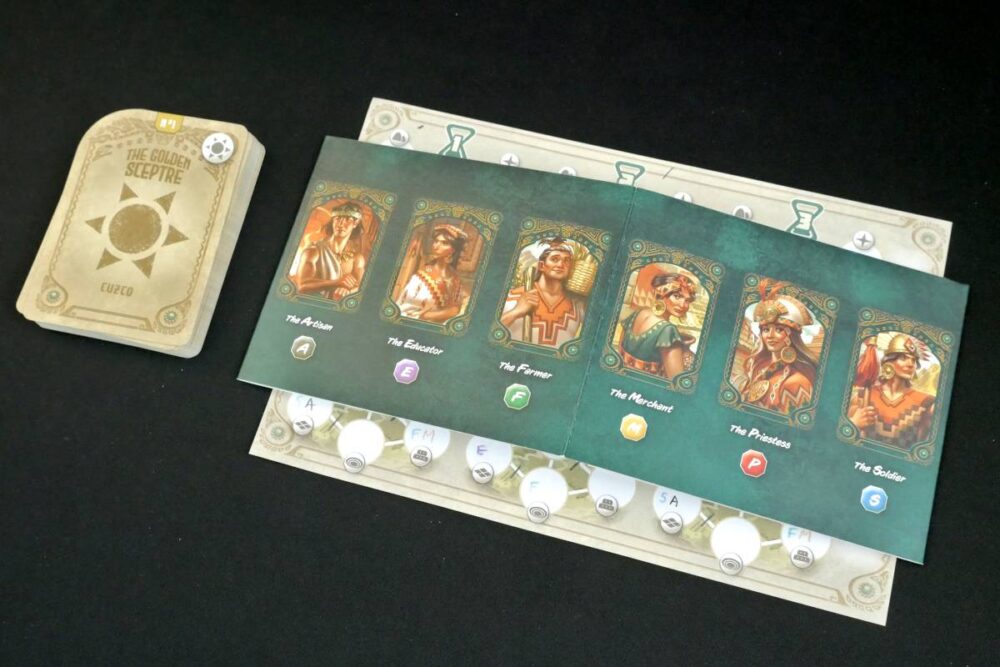
Kronologic: Cuzco 1450 is a logic deduction game for 1 to 4 players. It's like Clue with a thin veneer of 15th century Incan history, and instead of deducing who committed a crime with which weapon and where, you're tracking six different characters across six days as they move between six locations. Figuring out their paths isn't so easy, though.
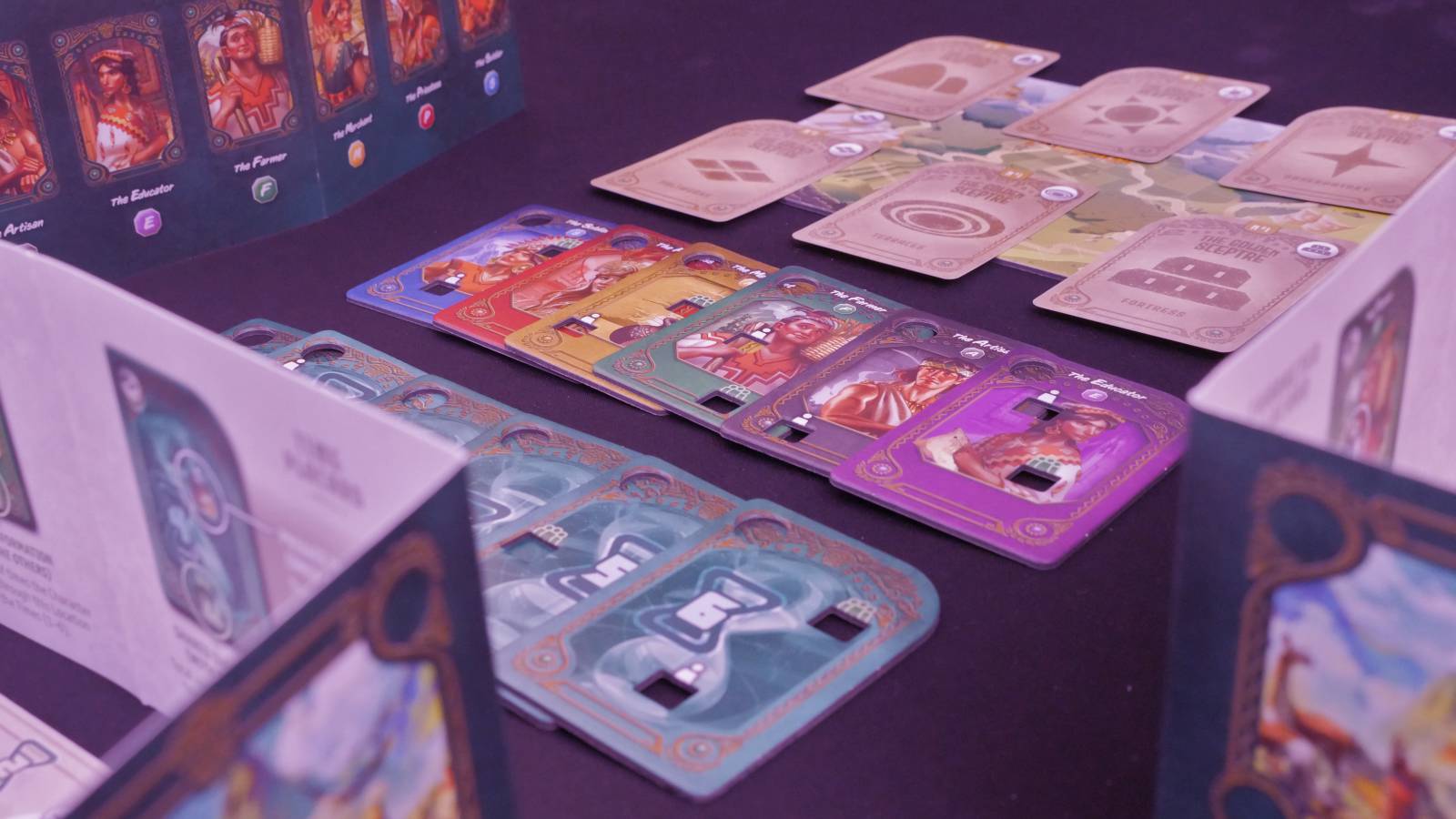
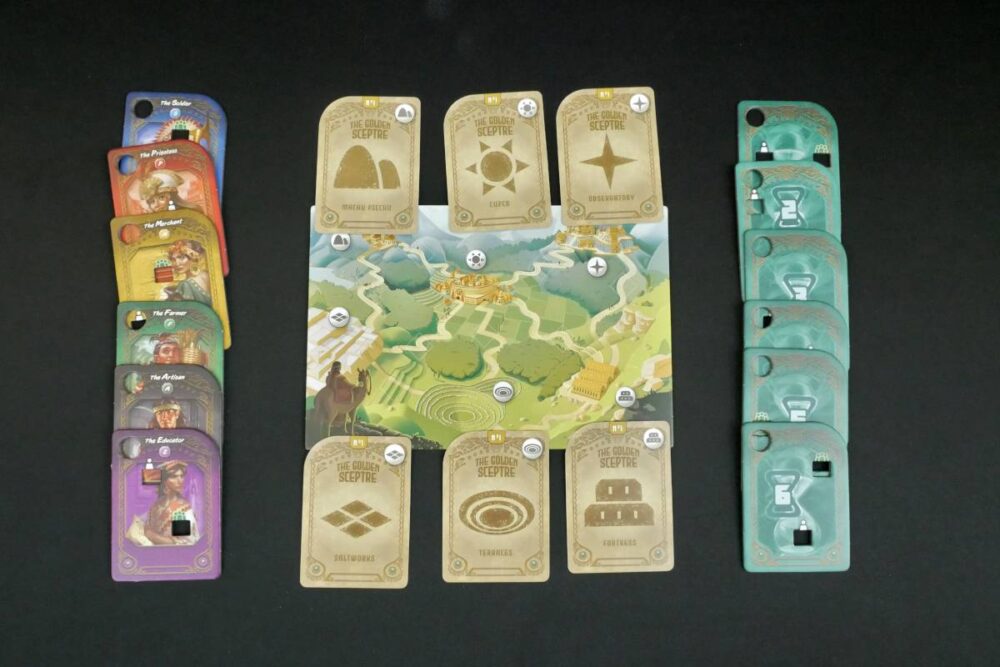
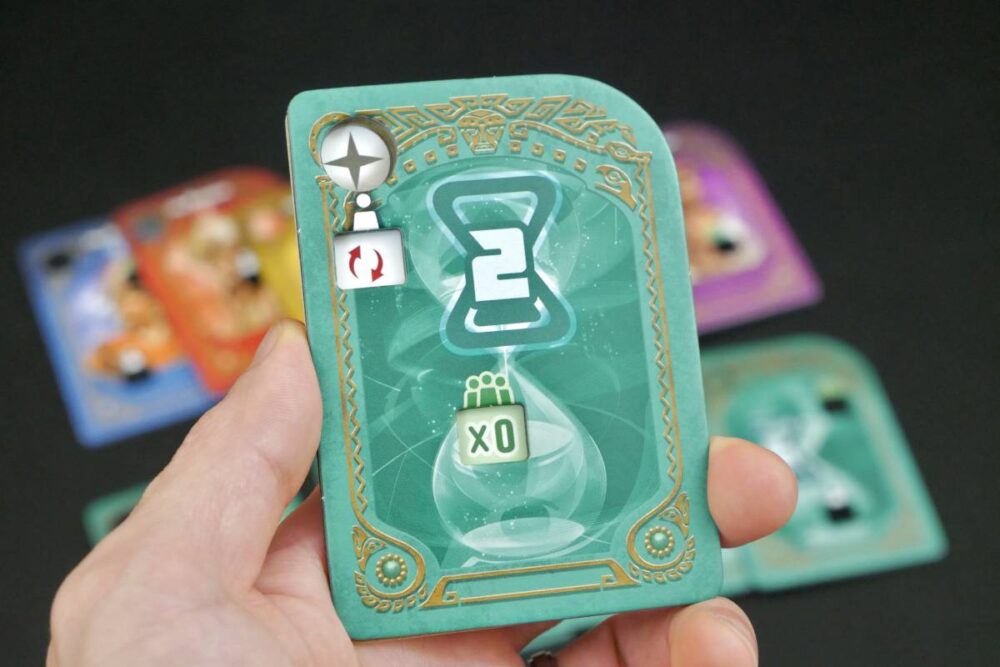
You'll be taking turns, and your turn is a single action: take one of the available placards and "check" it against one location card to reveal some information. If you use one of the Day placards, you learn how many characters are at that location on that specific day. If you use a Character placard, you learn how many times that character visited that location across all six days.
Actually, all of that is public knowledge. You announce it to everyone. But when you check your placard, you get a second piece of private information that only you see. With a Day placard, you learn the actual identity of one character there on that day. With a Character placard, you learn one of the days on which that character was there. It's hard data that gives you something to go off, to start filling in the gaps and deducing paths taken.
And you'll need every piece of data you can get because Kronologic: Cuzco 1450 is a race to solve the puzzle first. What are you racing towards? That depends on which of the three scenarios you're playing. In one, you're figuring out which location is only visited by exactly two characters. In another, you're tracing a contagious curse backwards from Day 6 to identify patient zero. And in the third, you're pinning down everyone's location on Day 6.
How It Feels to Play
Public vs. Private Information
Kronologic: Cuzco 1450 is a delicate balance between what you know and what you give away. On your turn, you choose one of the six locations and learn something new about it—either how many characters were there on a given day, or how many times a specific character went there across all six days. This information is made public to everyone, keeping everyone engaged, focused, and making constant progress. Even on someone else's turn, you're leaning in to hear "Artisan went to Machu Pichu twice" and you scribble that down.
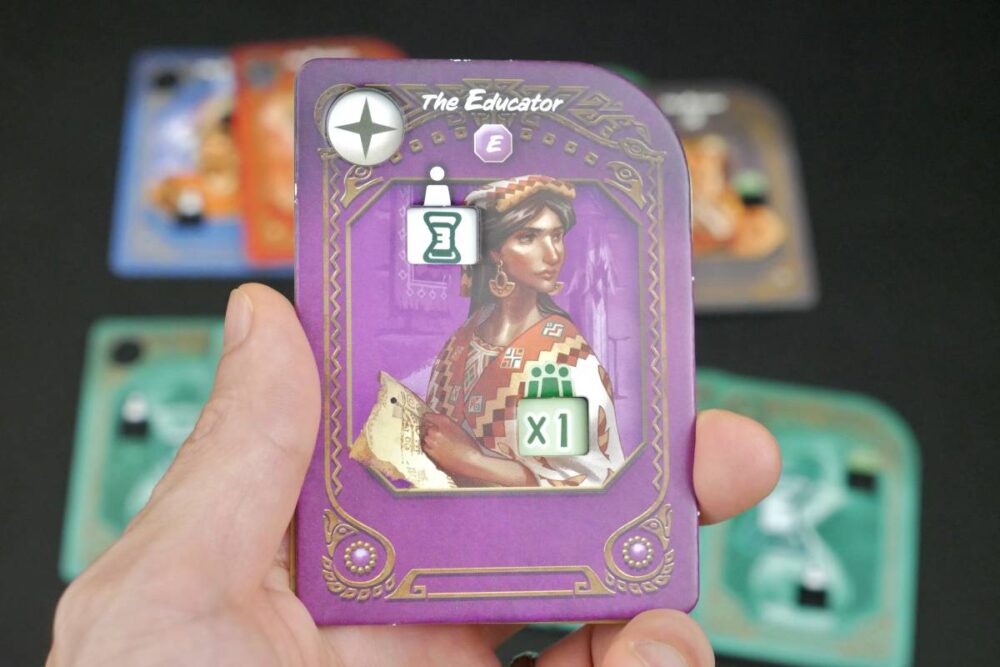
To take an action, I choose a placard (either one of the Characters or one of the Days), then choose a location card. Together, they'll give me information.
But as the active player, you gain extra information on top of that—a special piece of specific knowledge that no one else is privy to. Not just how many characters were there, but one of the characters who were there. Not just how many times a character went there, but one of the days they went there. This concrete bit of evidence gives you more to work with, and that asymmetry gives you a leg up on others. At least, that's how it feels.
The Action Selection Problem
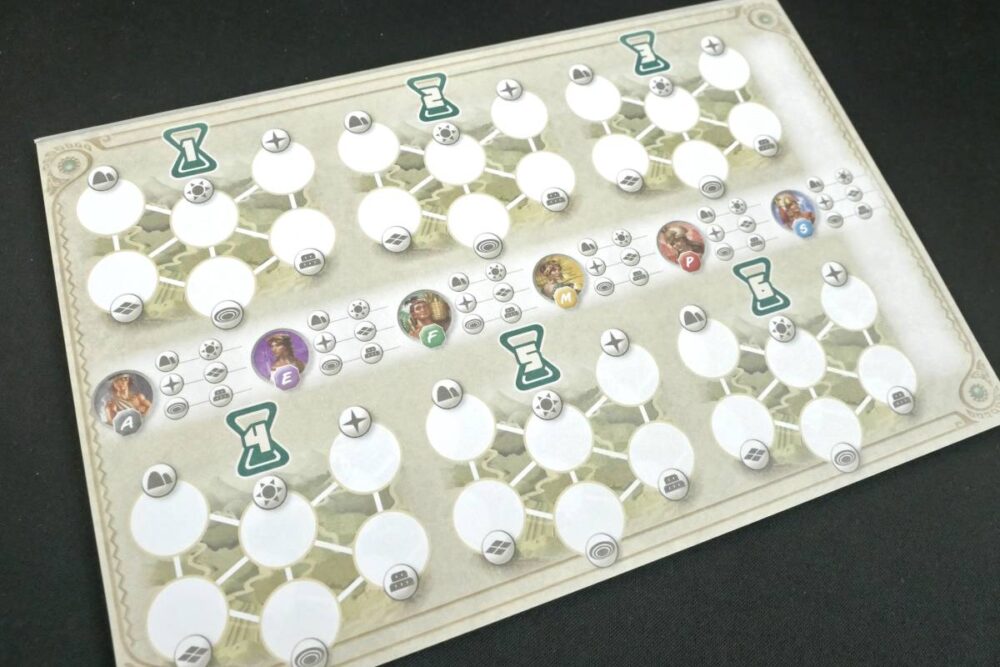
The first several times I played Kronologic: Cuzco 1450, I focused solely on solving the puzzle on my sheet. To figure out the Educator's path, for example, I check one of the spots he could've gone to, which lets me confirm or rule out. I use what I learn to decide which spot I want to check next. Over the next five or so turns, I figure out the Educator's full path.
But several games in, I realized how strong the public information can be. I could check "Educator at Cuzco" to learn that he goes to Cuzco on Day 4, but it'd also tell everyone that Educator goes to Cuzco three times. That tiny bit of info can be huge, and enough of those can get you deducing all kinds of stuff. So when Bob checks the Observatory on Day 2 and tells me there were zero people there, I'm giddy inside because that rules things out for me.
The Observatory on Day 2 shows no one there. Since you didn't get any information, you get to take another turn (indicated by those circular arrows).
So now you know you can't just choose your actions based on what gives you the best knowledge—you have to choose based on what gives you the greatest gap in knowledge. You're trying to learn as much as you can via private information while giving away as little as possible via public information. That's a different game altogether.
And it's not a deep game. The problem is, you can never know if your action on any given turn was good or bad. There isn't enough feedback. You get your private knowledge, but you don't know how helpful the public knowledge is for everyone else. And you can't know what knowledge you're getting before you choose your action, so your actions are mostly shots in the dark that may or may not help others more than you intended. That murkiness makes it impossible to strategize.
Where Deduction Takes a Back Seat
Throughout all my plays of Kronologic: Cuzco 1450, I couldn't shake the feeling that while these puzzles were interesting, they weren't satisfying. It took me until my 10th game to finally realize why. It comes back to that double-edged split between public and private information, which undercuts the logic deduction and shifts the game's emphasis onto the race element.
Kronologic: Cuzco 1450 is generous. You're constantly getting new information to work with, and every bit of evidence brings you one step closer to the answer. There's a sense of always progressing. But the game is too generous. It's spitting out jigsaw pieces at you turn after turn and your job is simply to piece them together. You think you're solving a puzzle but the puzzle is solving itself.
Yes, there's some deduction at play. You still need to fill in the gaps and figure things out. But all of that takes a back seat to the real game: making sure your puzzle solves itself faster than your opponents' puzzles do. You do that by choosing actions with bigger information gaps between private and public knowledge, not by being more clever with your deductions. I want my deduction games to make me feel clever.
Anticlimactic Endings
Kronologic: Cuzco 1450 has a rule where anyone "at any moment" can announce that they've solved the puzzle and check the answer. If they're wrong, they're eliminated. If they're correct, they win—and now everyone else can also try to solve it on the same turn. If they do, shared victory. I hate this.
In 75% of the games I've played, victory was a tie. The very round someone got the answer, someone else also got the answer. You want evidence that the puzzle solves itself? There you go. And it sucks because it drains the ending of its excitement. When a game ends in a tie three quarters of the time, I see no reason to keep playing it.
Player Count and Scaling
Kronologic: Cuzco 1450 is effectively a multiplayer solitaire game. You're buried in your own sheet, crunching through your own deductions based on your own secret information and whatever public knowledge was handed your way. Everyone else is doing the same, and you have no way of blocking, harming, or influencing each other. So you might think the player count doesn't matter.
But Kronologic: Cuzco 1450 is meaningfully different as player count scales because your ratio of private-to-public knowledge shifts. At two, you have a 1:1 ratio where you alternate private gains and public gains. At three, that increases to 1:2, and at four, you're at 1:3. Now you're flooded with public knowledge and not enough private knowledge to make good use of it. The puzzle is still the same, but you're suffering more downtime and the pacing slows to a crawl.
More players also means a greater first player advantage. Player one starts with private knowledge, so as public knowledge accumulates, they're already ahead on deductions. And as soon as they've solved the puzzle, they can jump in and end it without waiting for their turn again. The more players in the game, the more of a head start player one has.
The sweet spot here is solo play, but I'll tolerate it at 2 players because it's fundamentally different with that private-public rhythm. Any more players than that and you're only adding negatives with no positives.
Solo Mode
Kronologic: Cuzco 1450 has an official solo mode, but it's the exact same game. The only difference is, you track how many turns you take to reach the answer, then compare against the targets in the rulebook.
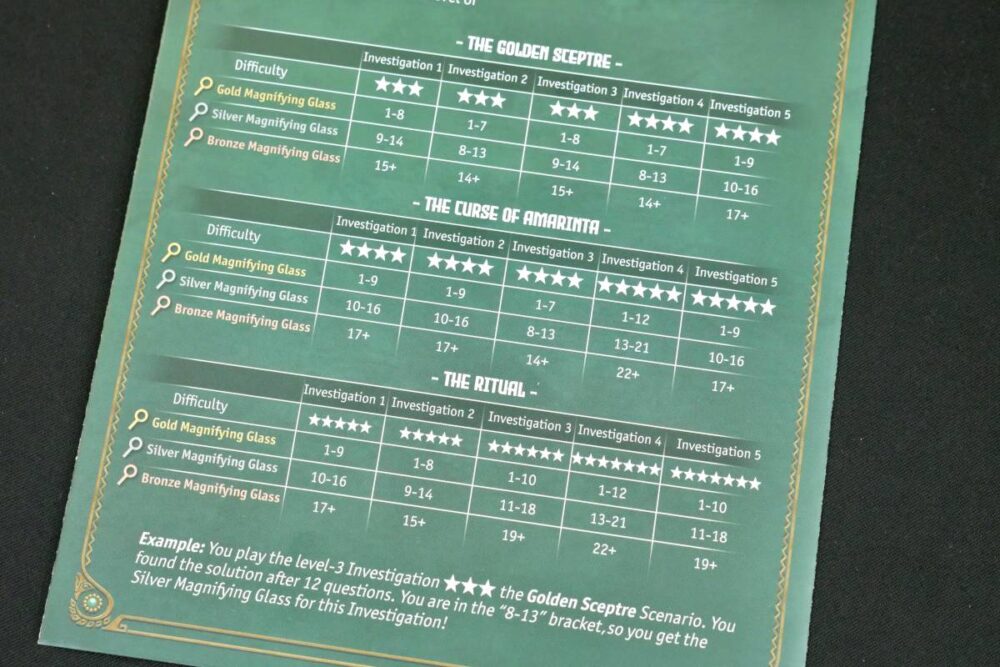
Here are the solo targets for each case for each scenario.
It's uninspired but functional. It strips away the private-public dichotomy and brings the logic-driven deduction back to the forefront, but the puzzles themselves are still lacking: opaque with lots of shooting in the dark. It's engaging enough to play, but not satisfying enough to recommend buying just for solo mode.
Replayability
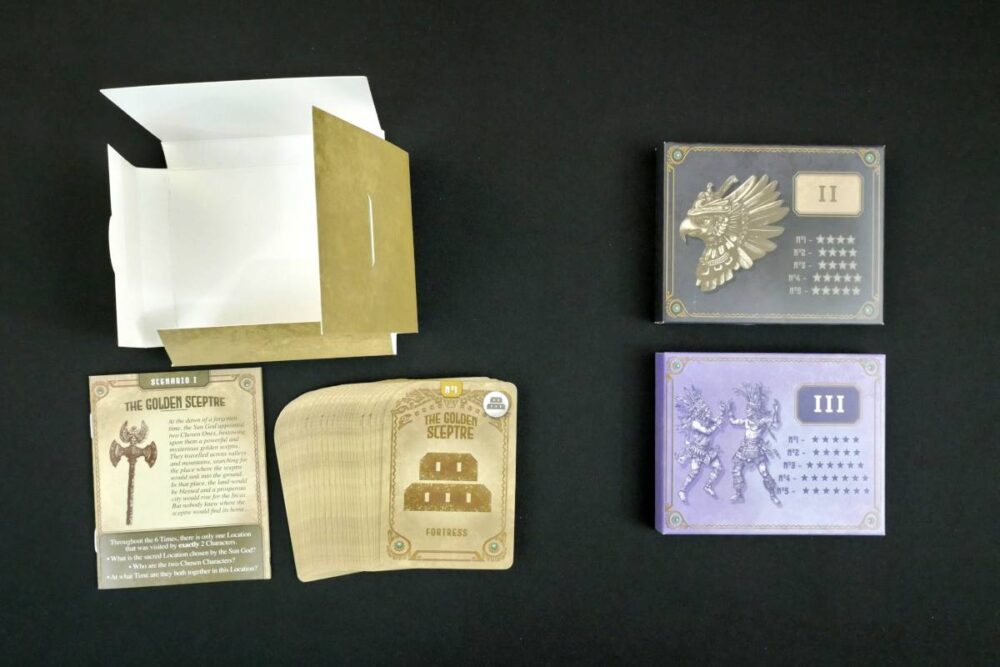
Kronologic: Cuzco 1450 is a one-and-done affair. The box comes with three scenarios, five cases per scenario. Each case is one "play" of the game with a predetermined solution you're racing towards. Once you know the answer to a case, that's it—no reason to play it again. That means you get 15 sessions in the box, then it's time to retire it.
Every scenario box contains 5 cases, plus a booklet with setup and answers for each case.
And that sucks. I can stomach finite replayability when there's a story, or legacy elements, or an experience that's greater than the sum of its contents (like a well-made escape room game). But these are just puzzles. They aren't satisfying enough or novel enough to justify near-zero replay value. If a game like Turing Machine can provide millions of setups via an app, then this one has no excuse.
The only caveat here is that Kronologic: Cuzco 1450 is technically replayable if you forget the case answers. And I mean fully forget them. If you remember even the tiniest detail, you'll have a leg up on everyone else you're up against—an unfair advantage in a race where knowledge is everything.
Components and Setup
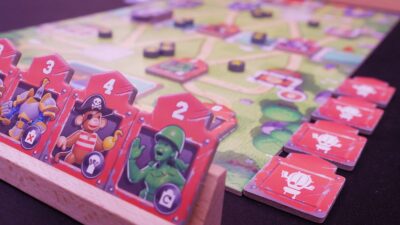
Apart from the aesthetics and the placards (which are surprisingly chunky and feel good in hand), everything else about Kronologic: Cuzco 1450 feels unrefined. A few key aspects drag it down.
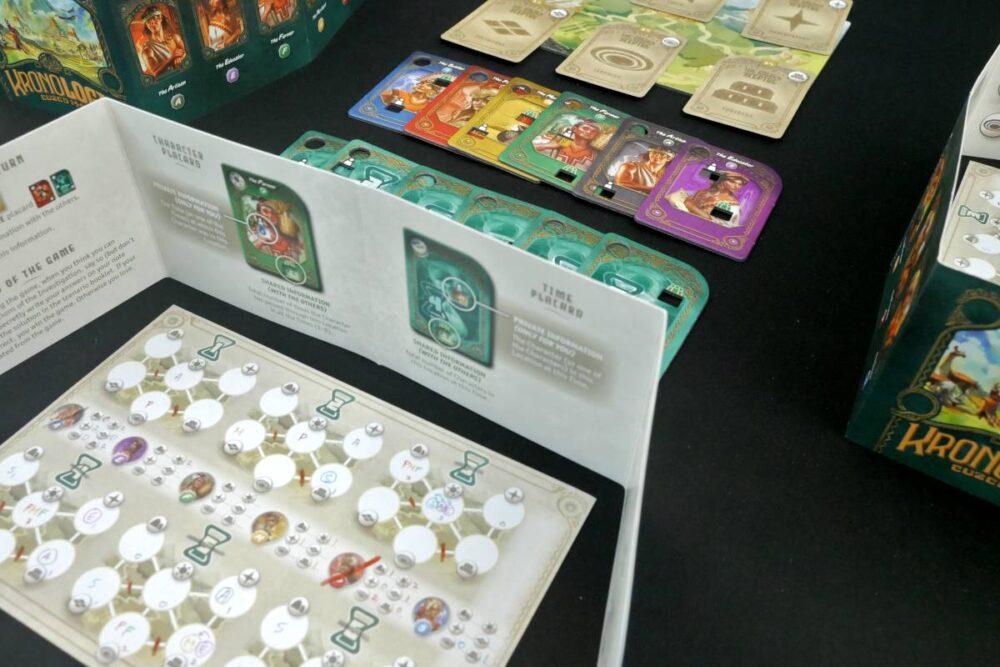
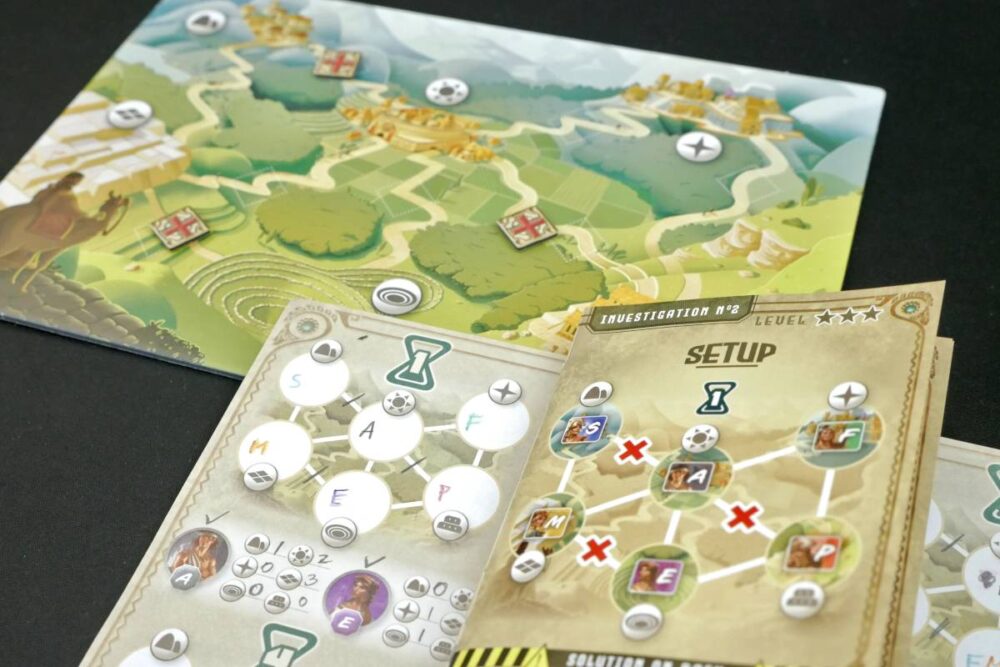
The map board? Useless. All of your information is right there on your sheet, including the map. There's no reason to look at the map board—and, in fact, I've never looked at it. I suppose it acts as a placement reference for the location cards, but you don't really need it. Same goes for the path tokens that show which paths are blocked and/or one-directional. You can just record that on your sheet (which you should), so the on-board tokens are pointless.
The setup booklet shows you where to place path tokens. But why bother? You can just draw path blocks on your sheet. It's way more convenient.
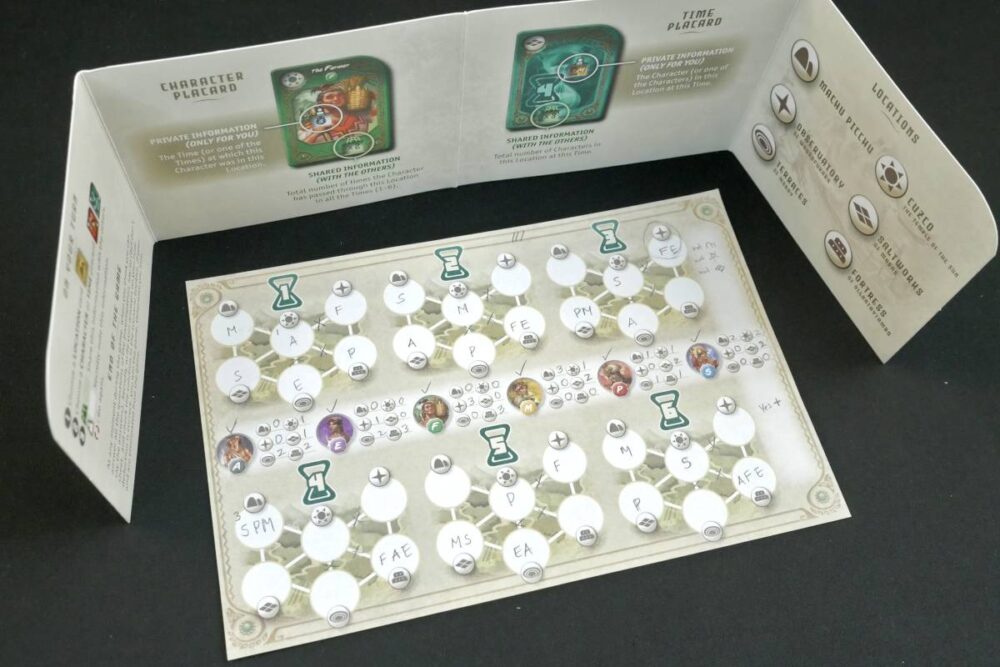
And then you have the player shields, which are necessary but way too small. I can clearly see my neighbor's sheet, even just by accident. The shields are short, flimsy, and leave little room to write. In a game like this, I want proper shields that let me freely take notes.
My attempt to show you the shield size. Barely taller than a card.
Setup is painless if you skip the unnecessary board and tokens. My one gripe here is in the opening of the scenario boxes, which have an unusual design that makes them unpleasant to handle. Table footprint is small, especially if you stack all the placards and do away with the unnecessary bits.
The Bottom Line
Kronologic: Cuzco 1450 is what you get as a gift for someone who loves logic deduction games, not the game you buy for yourself as a logic deduction fan. It doesn't do enough to justify its existence against Turing Machine, which does everything it does better while offering way more replayability and a shorter play time. Kronologic: Cuzco 1450 is easier to learn, but that's about it.