
Amazon • Barnes & Noble • Target • Walmart
Did you know that "quiddler" is a term for someone who wastes time? Like an idler or dawdler. (It's an archaic term, to be fair, so maybe you didn't know.) What boggles my mind is that someone would name their game after it... but after I played it, I realized it's pretty fitting.
Quiddler is a relatively old card game—it came out in the pre-Y2K era!—but I still see it being recommended to this day, so I was intrigued. And since I tend to like word games, I knew I had to check it out. Given that it's only about $10, I figured why not? It seemed like a low-risk opportunity.
I don't often regret $10 buys, but this one's an exception. Keep reading to see how Quiddler plays, why I thought I'd love it, and why it's ultimately a disappointment if you're in the market for a good word-based card game.
This review is based on my own personal copy of Quiddler, which I bought new from Amazon. Not a free review copy.
Overview
Imagine Rummy, except each card is now a letter with a point value. That's basically Quiddler in a nutshell... with a few odd quirks.
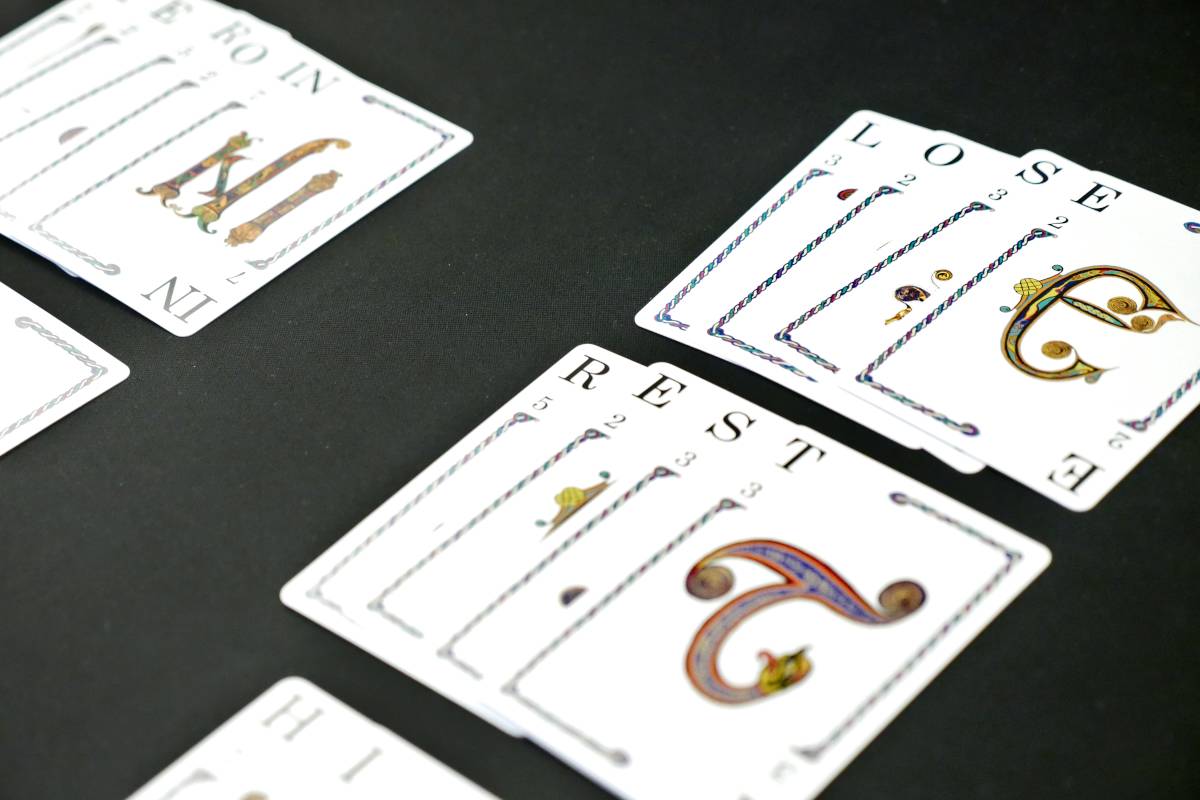
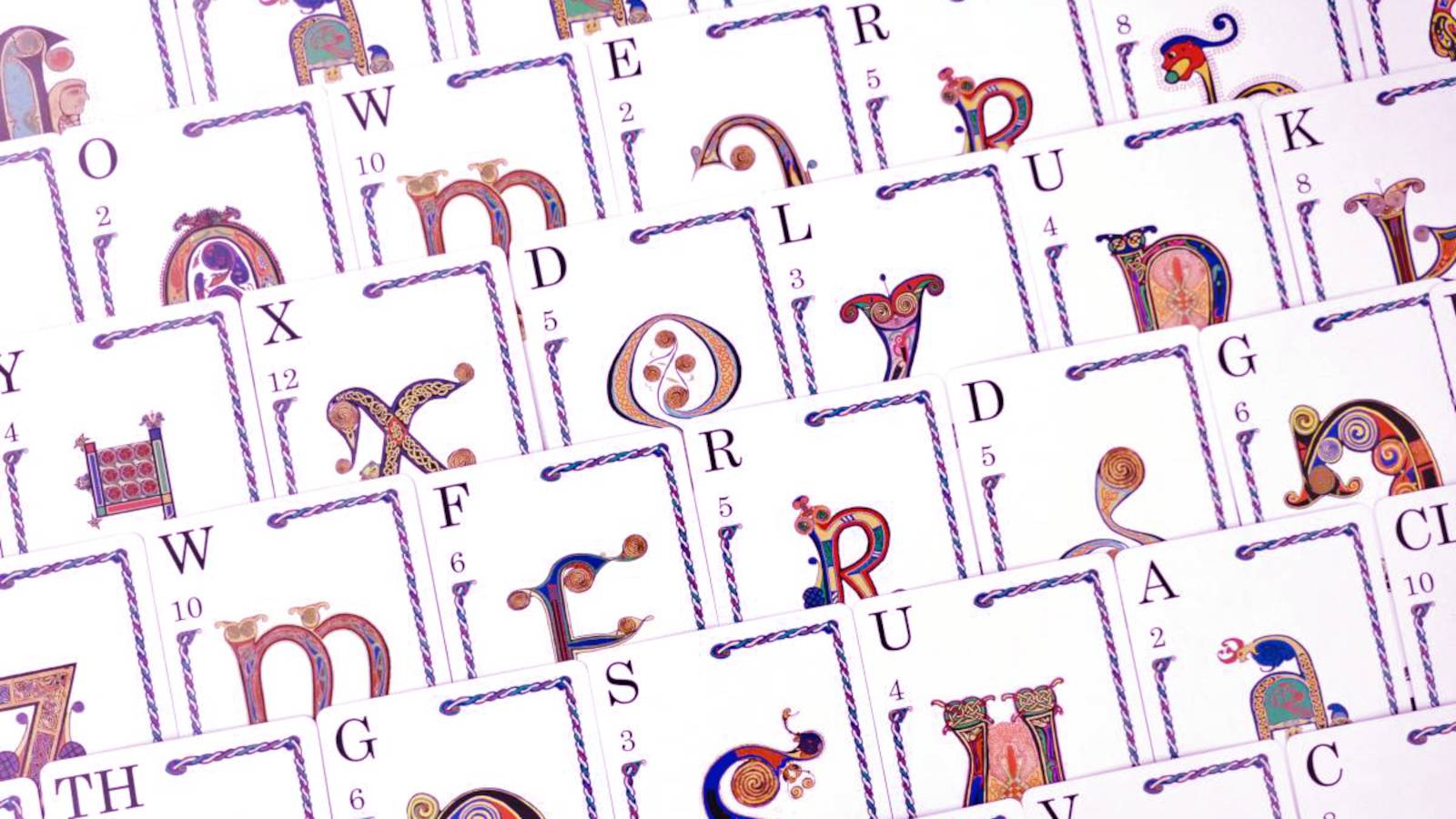
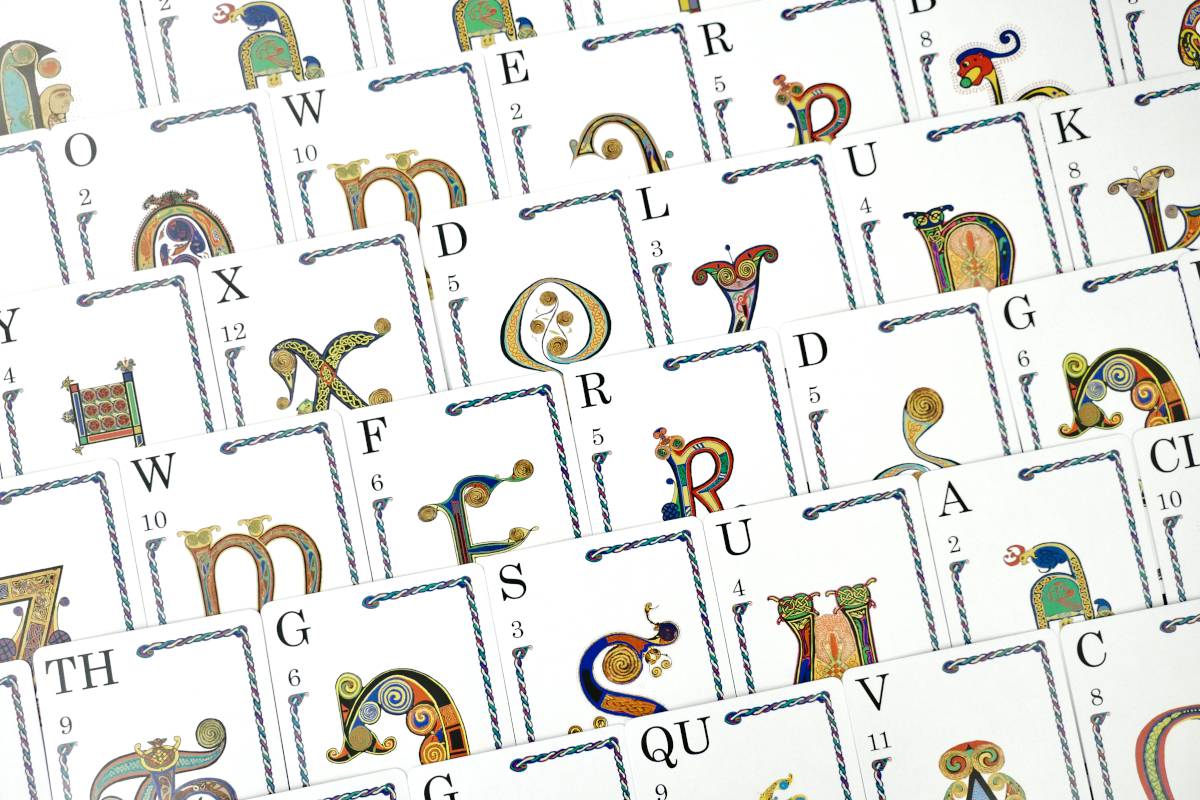
The whole game is comprised of a single deck of 118 letter cards, with cards representing all of the individual letters from A to Z as well as some special double-letter cards for CL, ER, IN, QU, and TH. Each letter has its own point value based on its rarity and difficulty.
The five vowels—A, E, I, O, U—are the most common of all cards. The letters N, R, and T are the most common consonants with 6 copies each. Then you have D, G, L, and S with 4 copies each. The rest have 2 copies each. Knowing this distribution may or may not come in handy.
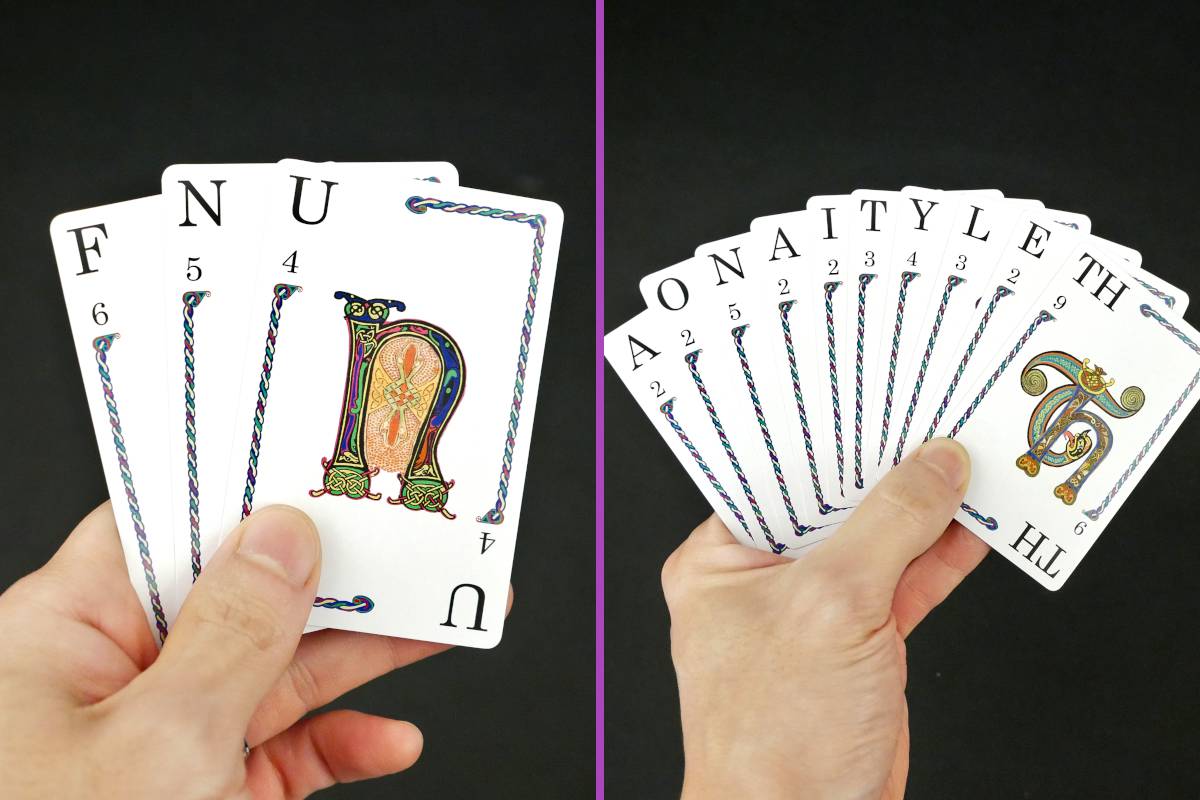
Quiddler is played over 8 rounds, with increasingly bigger starting hand sizes for each subsequent round. For example, the first round is played with a 3-card hand, the second round with a 4-card hand, and so on until the eighth round with a 10-card hand. It starts small and ends big.
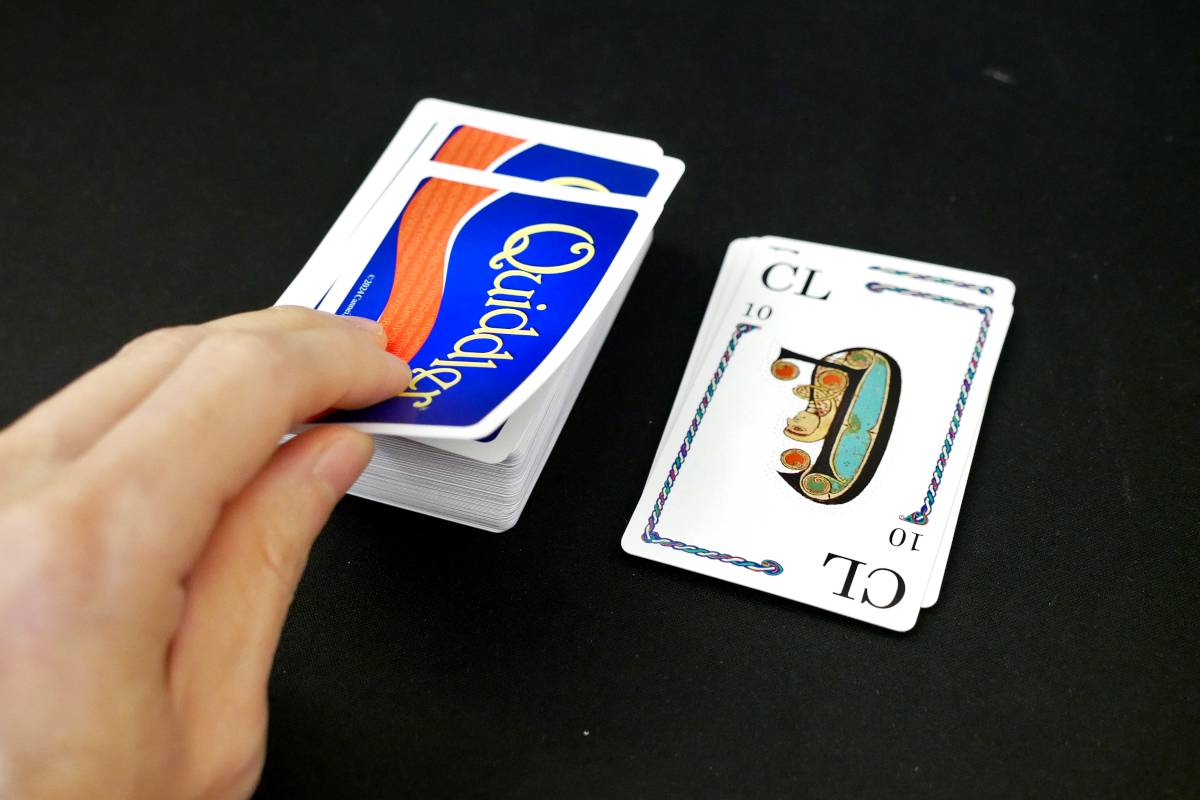
On your turn, you must draw one card and discard one card. When drawing, you may either draw from the top of the deck or the top card of the discard pile. When discarding, you add a card from your hand to the top of the discard pile. After you discard, if your hand is complete, you can "go out" and end the round; otherwise, it's the next player's turn.
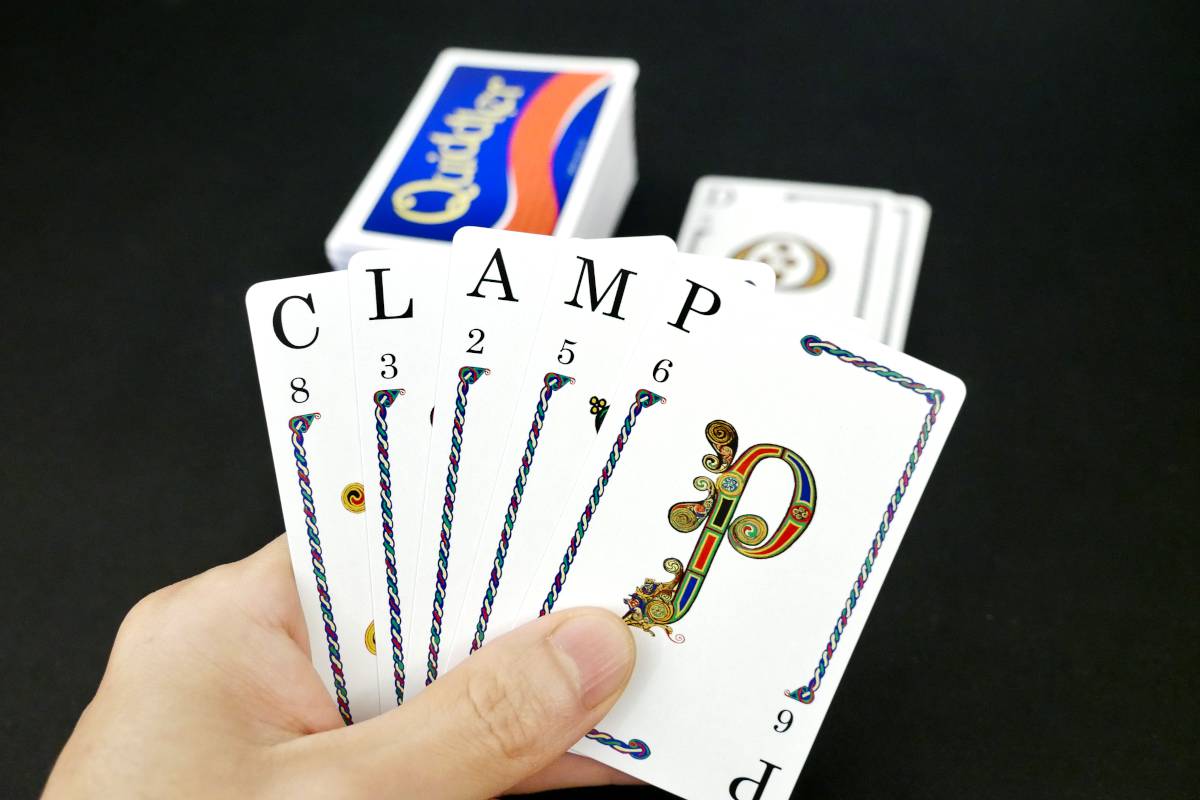
In order to "go out," your entire hand must be complete. This means you can form one or more words using every card in your hand. You earn points equal to the sum of every card's point value, and that's your round score.
By "going out," you trigger the end of the round—everyone else gets one last turn to draw, discard, and play their hands even if they're still incomplete. These players earn the point values of every card they can use as part of a word, minus the point values of any leftover cards. This is their round score, which can never go below zero.
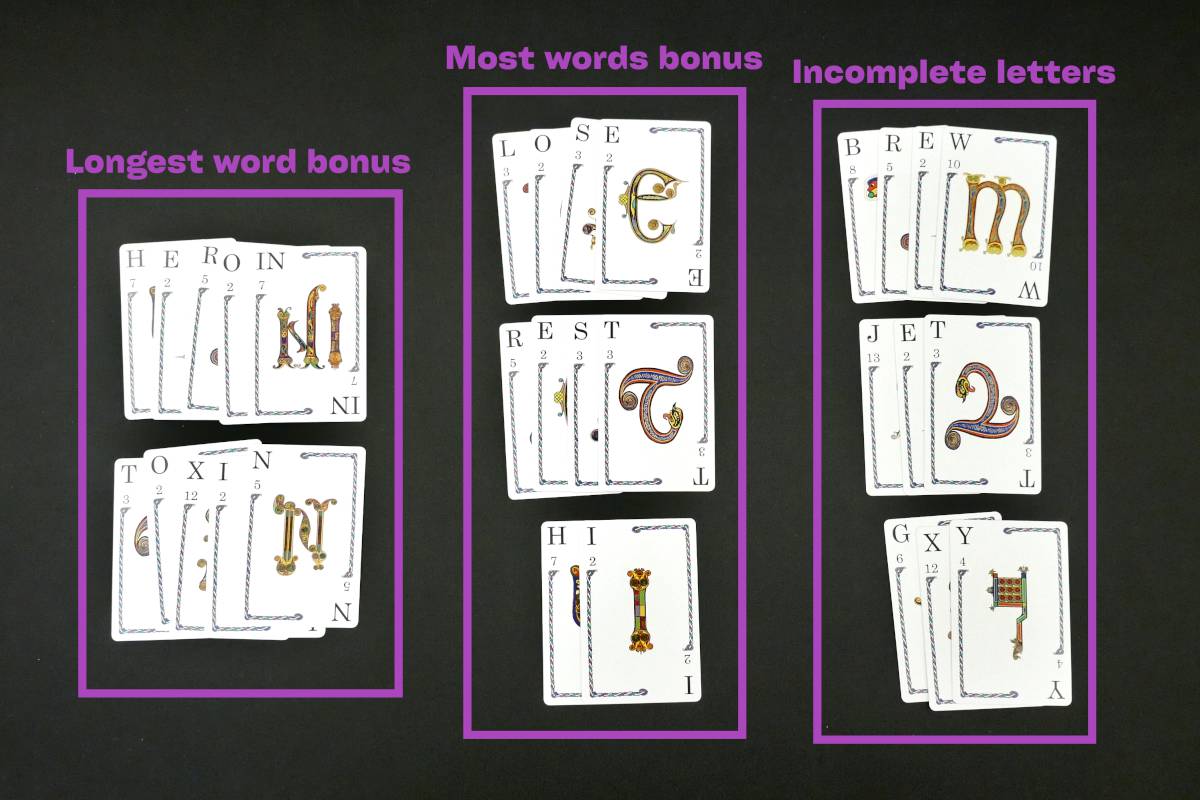
When a round ends, two bonuses are also awarded: 10 points to the player who spelled the longest word, and 10 points to the player who spelled the most words. One player can earn both bonuses. If multiple players tie for a particular bonus, they cancel out and nobody earns that bonus.
Your score accumulates every round, with your final score tallied after the eighth round ends. Highest score wins!
If you ever believe a word is spelled incorrectly or isn't a valid word, you can challenge it. Look it up in an agreed-upon dictionary. Whoever loses the challenge subtracts the value of the word from their total score.
Setup and Table Footprint
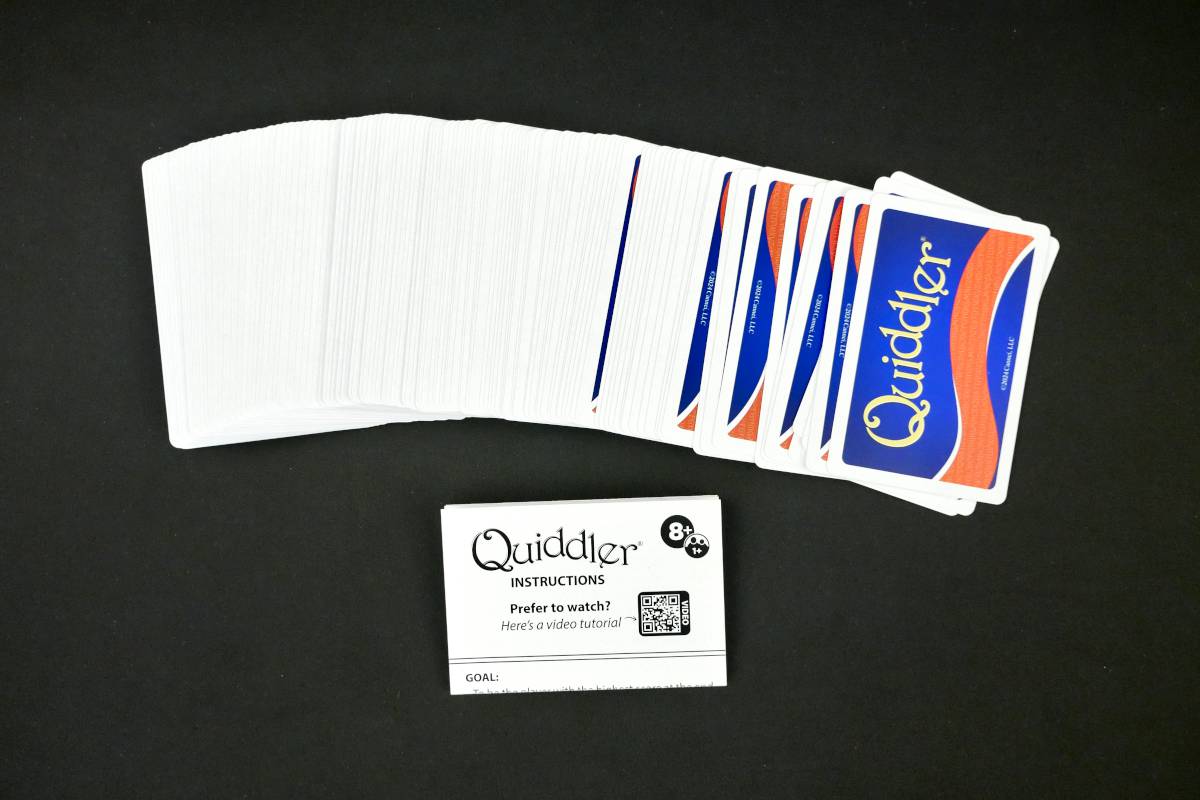
One nice thing about Quiddler is how quickly you can set up and play. With it being nothing more than a 118-card deck, all you have to do is shuffle up and deal. You'll have to shuffle again at the start of every round—for a total of 8 rounds per game—and that may be too much shuffling for some folks, but apart from that every round begins the same, quick way.
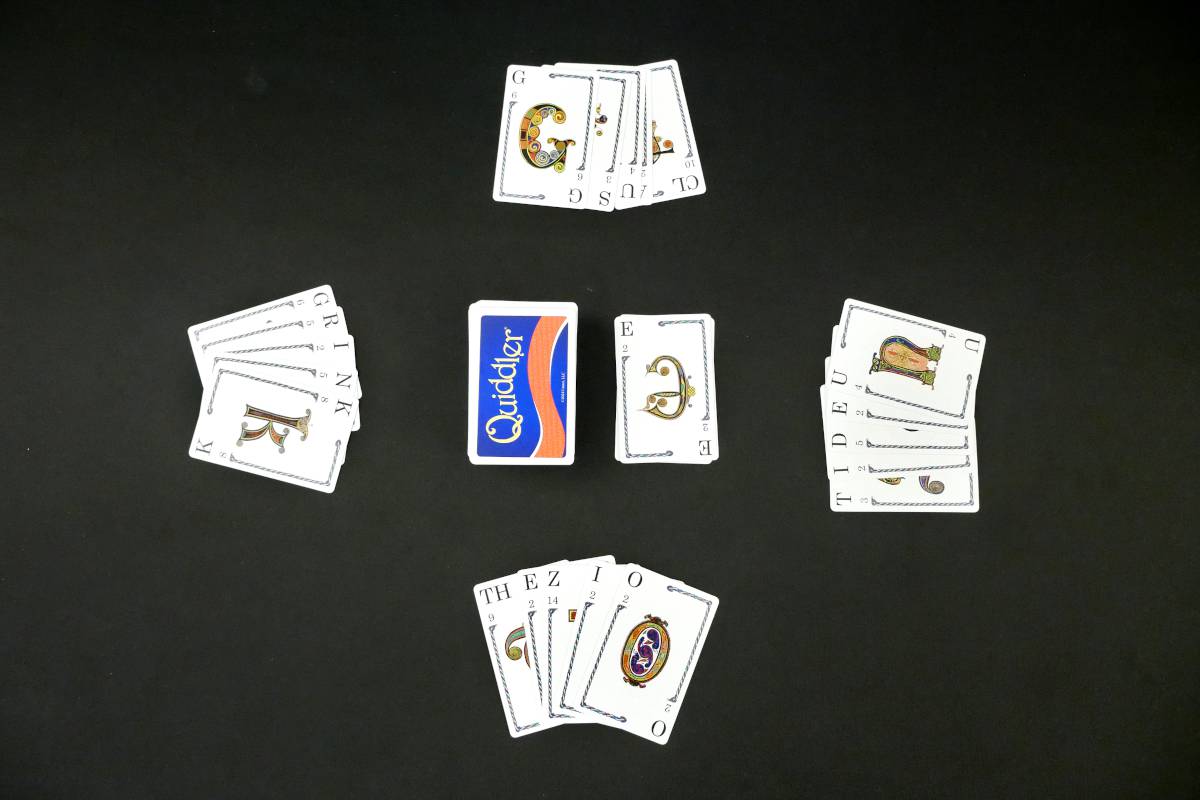
Another nice thing about Quiddler is the tiny table footprint. In fact, calling it a "table" footprint is overkill because you don't even need a table. The whole game is played in your hand, and all you need is a spot for the draw deck and discard pile. You could even play this on the couch with the deck between you! That kind of portability is special, even among card games.
Learning Curve
The third thing in Quiddler's favor is its pared-down gameplay that's familiar to anyone who's played classic card games like Rummy. If you can draw one, discard one, and create melds, then you can pick up on Quiddler pretty quickly—and if you explain it as "Rummy but with words," you'll be able to teach it to pretty much anyone, including non-gamers.
Despite all its flaws, Quiddler is a great family card game to play with those outside the board gaming hobby precisely because of its familiar turn structure, simple rules, and easy learning curve.
Game Experience
Decision Space
Quiddler is technically a word "building" game, but it feels more like a "word search" game. You'd be forgiven for thinking it might be like Scrabble, but it's not... Quiddler is less skillful and less interesting.
In Scrabble, you have a hand of seven tiles and an entire two-dimensional board you can build on. You aren't just combining letters but also thinking about spatial placements, and you also have premium squares with word and letter multipliers. That's enough to work with to think creatively, to craft interesting words, to make clever plays that feel good.
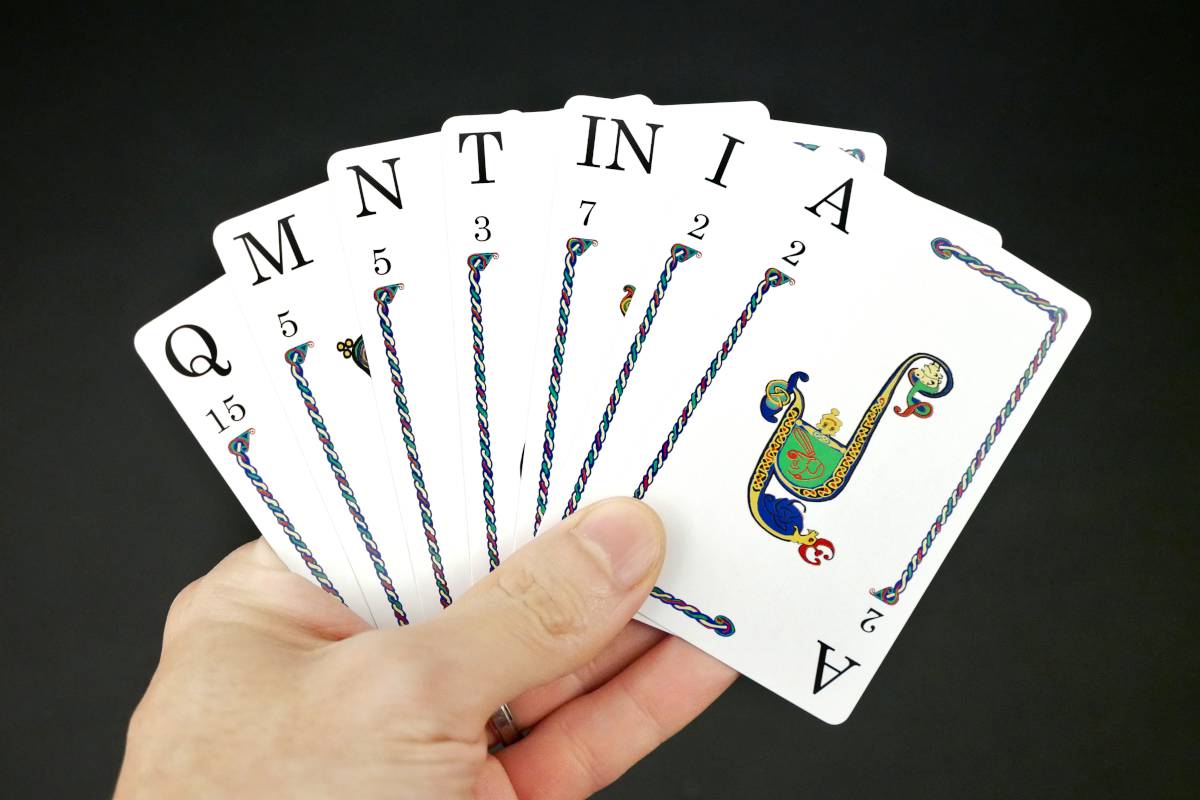
In Quiddler, you're missing most of that. You just have a hand of letters and all you can do is shift them around and either find the longest possible word or make as many short words as you can. There's no creativity. It's just a mechanical exercise. And it's not like you can strategize or plan ahead because the cards are too random (see "Luck Factor" section) and the rounds usually end in one or two turns anyway (see "Pacing" section).
Luck Factor
Quiddler is more luck than skill, which isn't what I want in a game that's ostensibly about crafting words. The randomness is too much, enough to cause large point swings for no reason other than how the cards are dealt, and that's a real bummer. Quiddler feels more like a "card game" than a "word game," where you're at the mercy of the draw and can't really do anything if you just happen to be dealt a crappy hand.
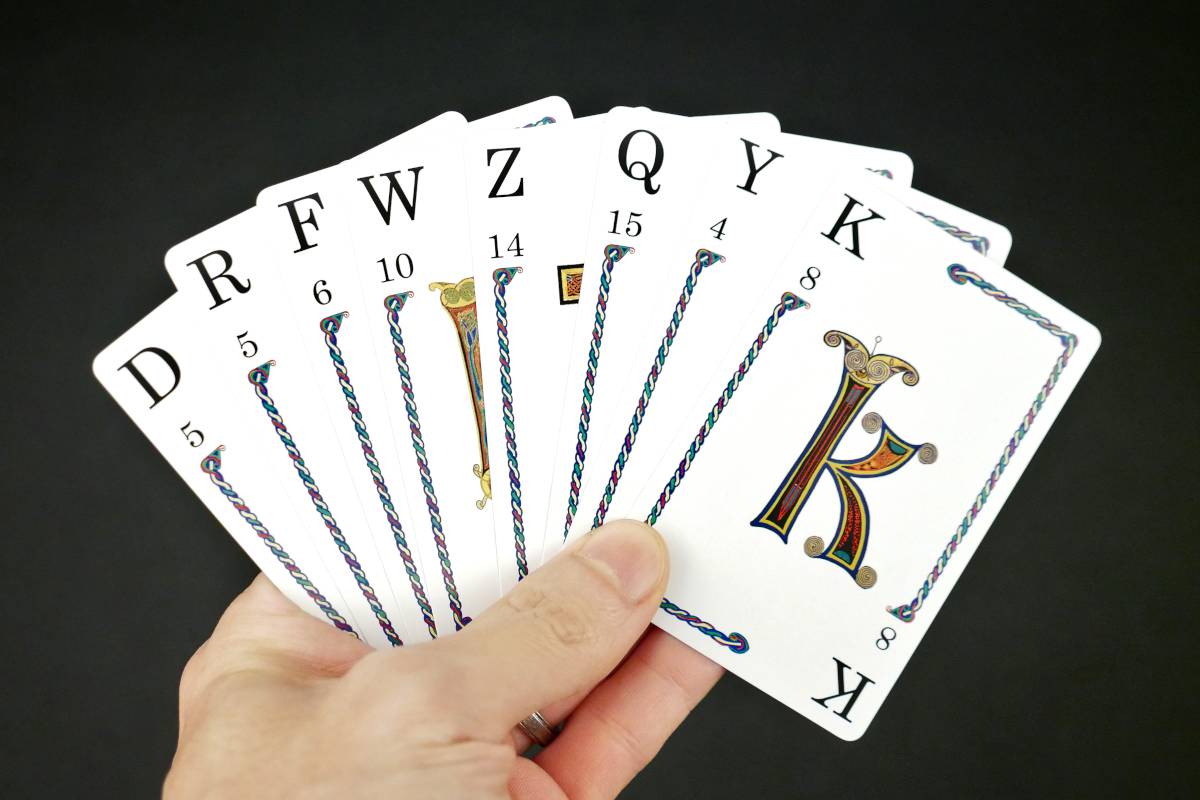
For example, I was once dealt an entire hand of consonants in the 8-card round. It's impossible enough to do anything with eight consonants, but it's even harder when that includes a K, W, and Z. And no word of a lie, I was dealt another hand of only consonants in the next 9-card round. Vowels are the most common card in Quiddler, but there's never a guarantee.
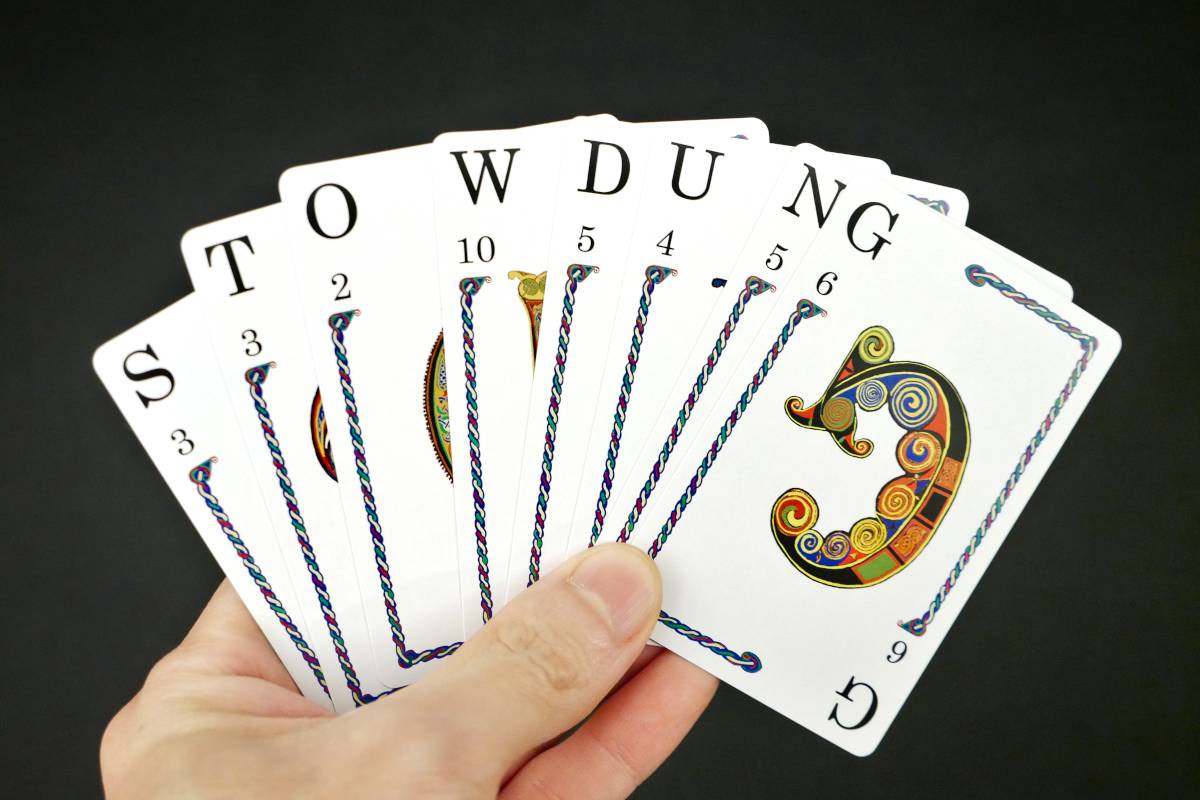
And the worst part is that you have no tools to work around bad luck when it hits. The most you can do is draw and hope for a vowel. And if you end up drawing another consonant? Well, tough luck—you're all but certain to earn zero points this round. Meanwhile, Steve across the table was fortunate enough to be dealt a perfect hand of S, T, O, W, D, U, N, G and can go out on his first turn with a score of 38 points. How "skillful" of him.
Fun Factor
Quiddler's greatest flaw is that it fails to be fun. In combining Scrabble with Rummy, it succeeds at being familiar... but it lacks the creative wordplay of Scrabble and the satisfying set collection of Rummy.
It's a tepid mixture that lacks tension, excitement, and stimulation. The pacing is somehow both slow and abrupt (see "Pacing" section), the randomness is off the charts (see "Luck Factor" section), and the word crafting is underbaked (see "Decision Space" section).
Pacing
Rounds in Quiddler are brief and abrupt—almost jarringly so. It isn't unusual for someone to go out on their first turn, especially in the later rounds when words are easier to form due to the larger hand sizes. You can shuffle up, deal, and the round is already over. I'm not a fan. There's not enough buildup and there's too much randomness in the results. Overall, the game arc feels erratic and the lack of tension is flat and unsatisfying. (See my 5-Card Quiddler variant, which tries to address this.)
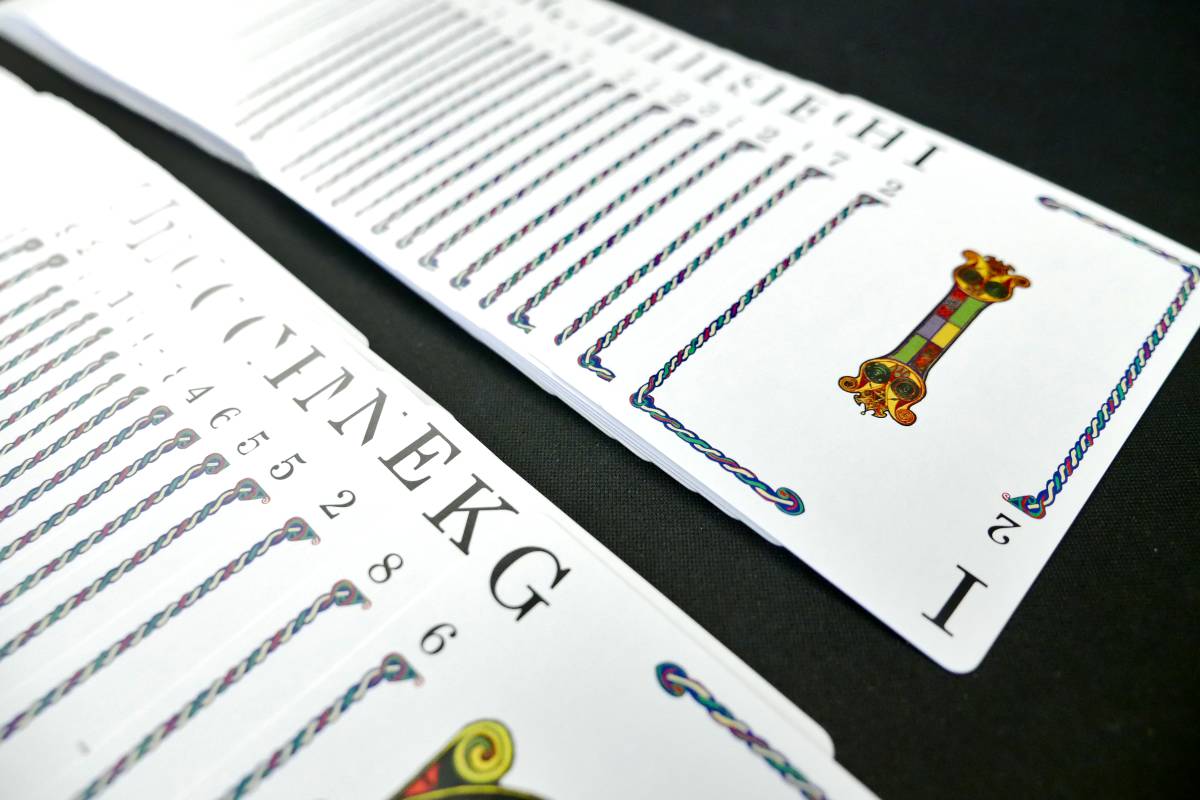
Not to mention that Quiddler's pace slows to a crawl with the amount of downtime it has on players' turns. A player will draw their card, fiddle around with their letters for a while, try to find the best words they can form, then eventually discard something. That whole process can take a while, and it's excruciating with players who struggle with analysis paralysis.
A full eight rounds of Quiddler can take well over an hour, which is not what I want from a simple little card game... particularly one that claims to be "The SHORT Word Game" right on the box. (Check out my 5-Card Quiddler variant for a faster and more engaging way to play in less time.)
Player Interaction
There is zero player interaction in Quiddler. You don't hurt each other, you don't help each other, nothing you do affects anyone else except when you go out and force an end to everyone's hand. The only bit that's even close to an inkling of interaction is that you can draw someone's discard, but it's not like that interaction is ever strategic or meaningful.
The overall Quiddler experience is one of multiplayer solitaire, with players racing against a random deck to finish their hands as quickly as possible, hoping they luck out faster than everyone else.
Player Counts
Due to the pacing issues I mentioned above, Quiddler is longer and sloggier as the player count increases. More downtime, more thinking, more fiddling and hunting for words. So I think Quiddler plays best at 2 or 3 players, maybe 4 players... any more and it's unbearable.
Replayability
Quiddler sits in a weird spot for me when it comes to replayability. It's so simple and easy to break out, and that goes a long way when I'm in the mood for a word game that doesn't involve lots of setup. The gameplay itself is also mindless, which isn't a bad thing when your brain is fried from work and you just want to wind down. The excessive randomness makes the outcome of any given round feel unfair and unskillful, but at least every hand feels fresh.
All that to say, I don't think Quiddler is a good game, but it's a peaceful activity that serves a special niche: when you just want to "find words" in a hand of cards, I can't think of another game that fits the bill. It isn't a satisfying experience, but it's an adequate time killer. (If you want to turn it into a semi-decent game, I recommend my 5-Card Quiddler variant below.)
Solo Mode
Quiddler has a solo mode (also called solitaire mode) that's just as mindless and lucky as the multiplayer mode. I don't recommend it.
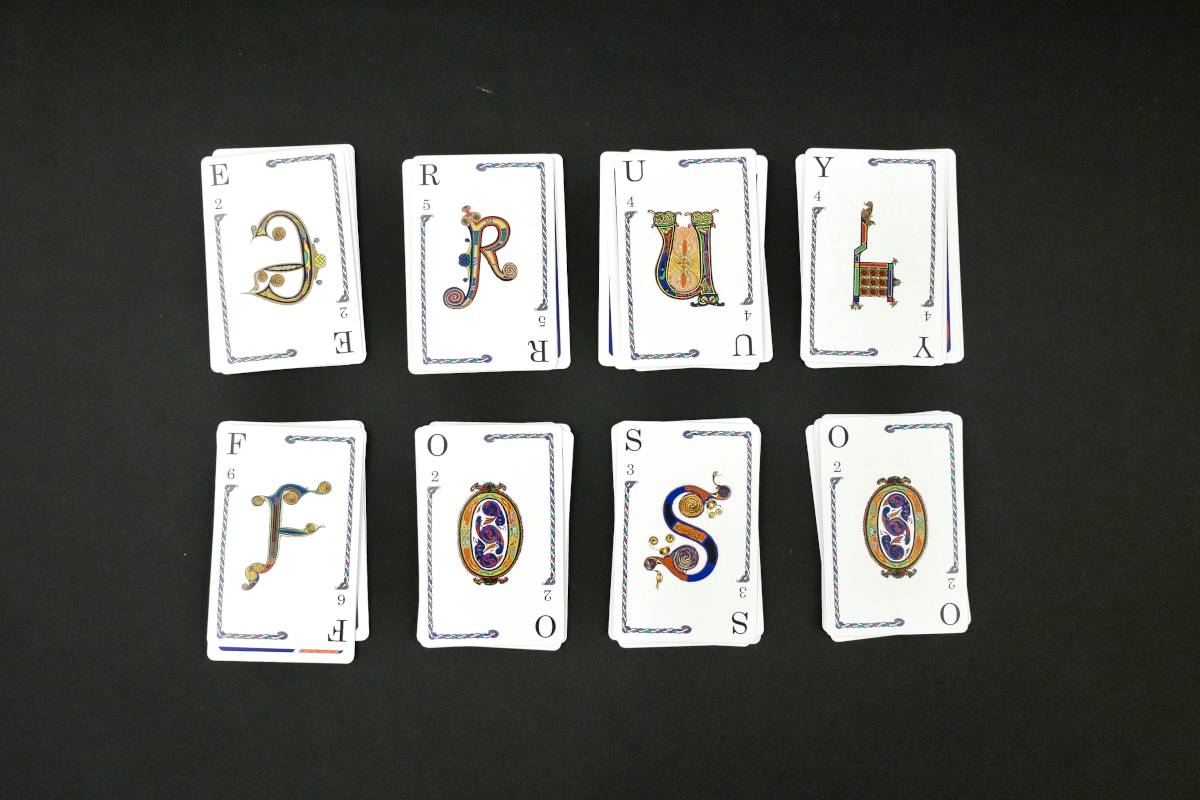
It all starts with a shuffled deck, which is dealt into 8 piles of 5 face-down cards each. Then, a sixth card is dealt face-up on top of each pile. The rest of the cards are returned to the box:
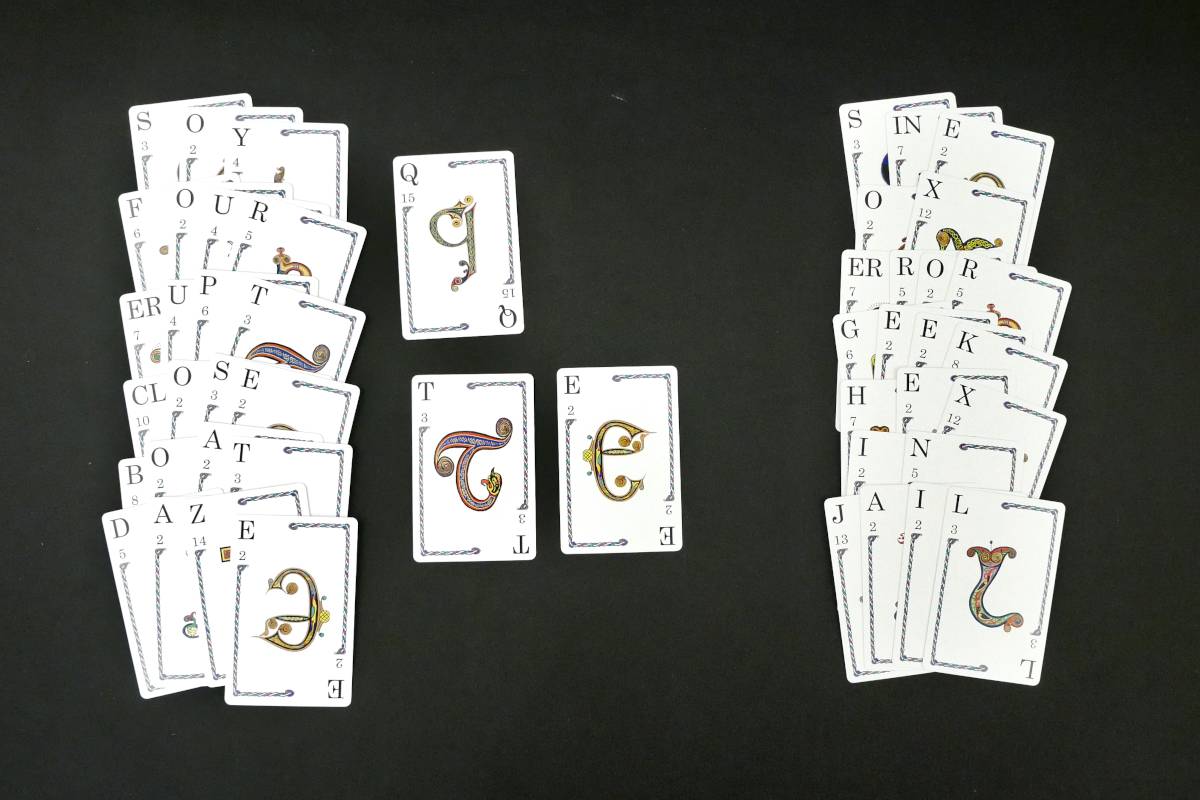
In solo mode, you build words using the face-up cards. When a card is used for a word, it's moved off its pile and the top card of each exposed pile is flipped up to reveal new letters. When a pile runs out, you can move a card from another pile to its spot, so you always have eight available letters. The goal is to use up all the letters with none remaining—your score is the sum value of all remaining cards, with a perfect score being zero.
The problem with Quiddler's solo mode, as with the regular game, is that it's too random. You play with only 46 of the 118 cards and you have no influence over the distribution of letters you end up with. You could have two Qs in your piles but no Us, so you're boned for no real reason. And it's not like you can plan ahead because you don't know which letters await you deeper down in the piles. Without that insight, you're just playing the odds.
Ultimately, Quiddler's solo mode feels pointless. It's just a word search exercise and not even an interesting one at that. The only good thing I can say about it is that it takes about 5 minutes to deal and play. Yippee.
Variants
5-Card Quiddler
This unofficial variant is the same core game as Quiddler but with several benefits: faster play time, more luck mitigation, and more tension. Not only is it my preferred way to play Quiddler, but I don't even consider the original gameplay as valid anymore. It makes the game better in all aspects.
Here's how to play my 5-Card Quiddler variant:
- There's still a central draw deck.
- Each player starts with a hand of 5 cards.
- When it's your turn, you have three possible actions:
- Draw 1 card. That's it. You can draw from the deck or the discard pile. No discarding afterward. Your turn is done. (Yes, this means your hand size will grow over time.)
- Discard up to 5 cards, draw that many cards. This allows you to get rid of cards you don't want, plus it lets you cycle through the deck and fish for certain letters.
- Play a word, draw back up to 5 cards. Use the same word validity rules as Quiddler. You can only play one word per turn, which stays on the table in front of you to be scored later. If your hand has fewer than 5 cards after playing a word, draw back up to 5 cards.
- When you play a word, anyone can challenge it. If the word is proven invalid, the entire word is discarded; if the word is proven valid, you get another turn as compensation.
- The game end is triggered when someone plays their 7th word. Every other player now gets to take 2 more turns in a row. (In other words, I could draw 1 card and then play a word, or discard/draw cards and then play a word, or play two words.)
- Players score all the letters in their played words. Any leftover letters in hand are ignored (i.e., no penalty for holding cards).
- Extra 10-point bonus for longest word. If multiple players tie for the longest word, they all get the bonus.
With these gameplay tweaks, Quiddler goes from "slow and lackluster" to "tense and engaging." It plays in about 10 minutes, it has snappier turns, it feels far less random, it has a race aspect that rises to a suspenseful climax, it has cleaner scoring, and the word building is more interesting. Played in this manner, I think Quiddler becomes an excellent value word game.
Production Quality
Given the price point, I went into Quiddler with low expectations as far as component quality... and it's about what I expected. It won't blow you away but it won't fall apart in your hands either.
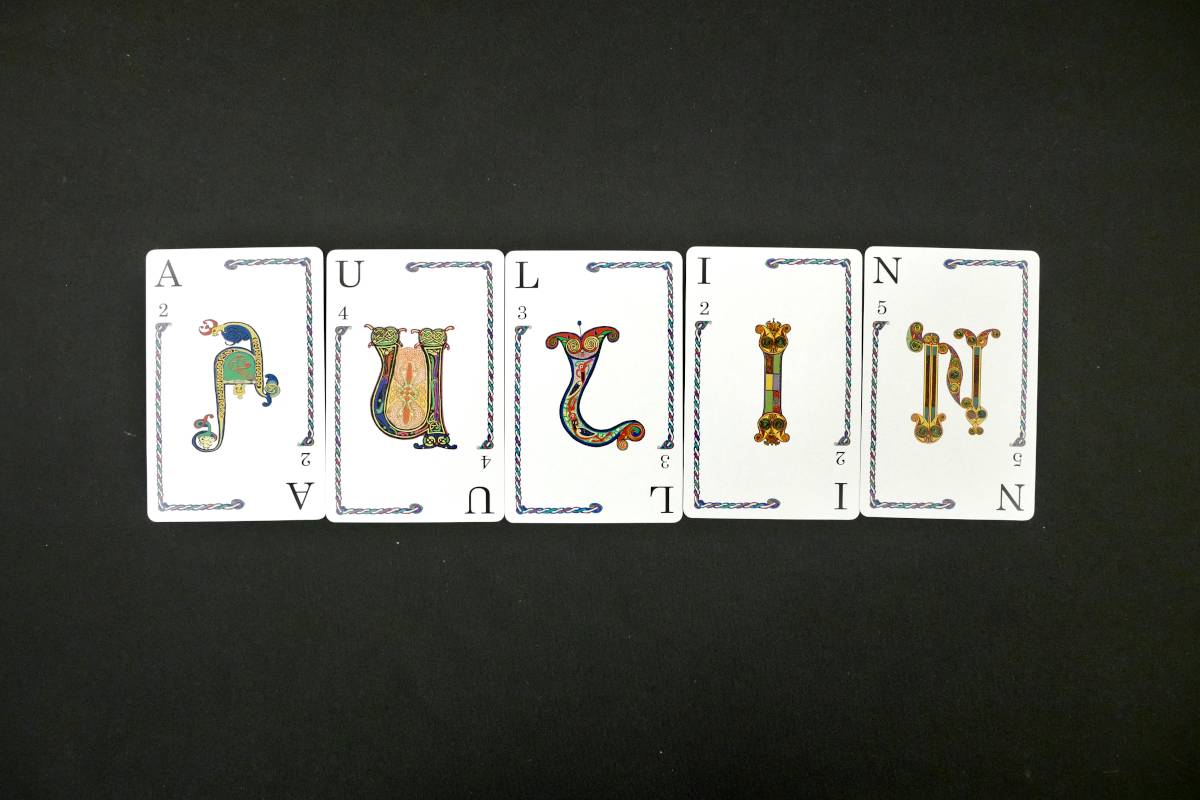
The aesthetics aren't my style, but the graphic design is functional. While the Celtic-inspired letter art screams tacky and old-school to me, it isn't an issue while playing as I'm more focused on the card corners. There, the letters and point values are perfectly clear and usable in hand. That's all I really need in a card game, so no complaints.
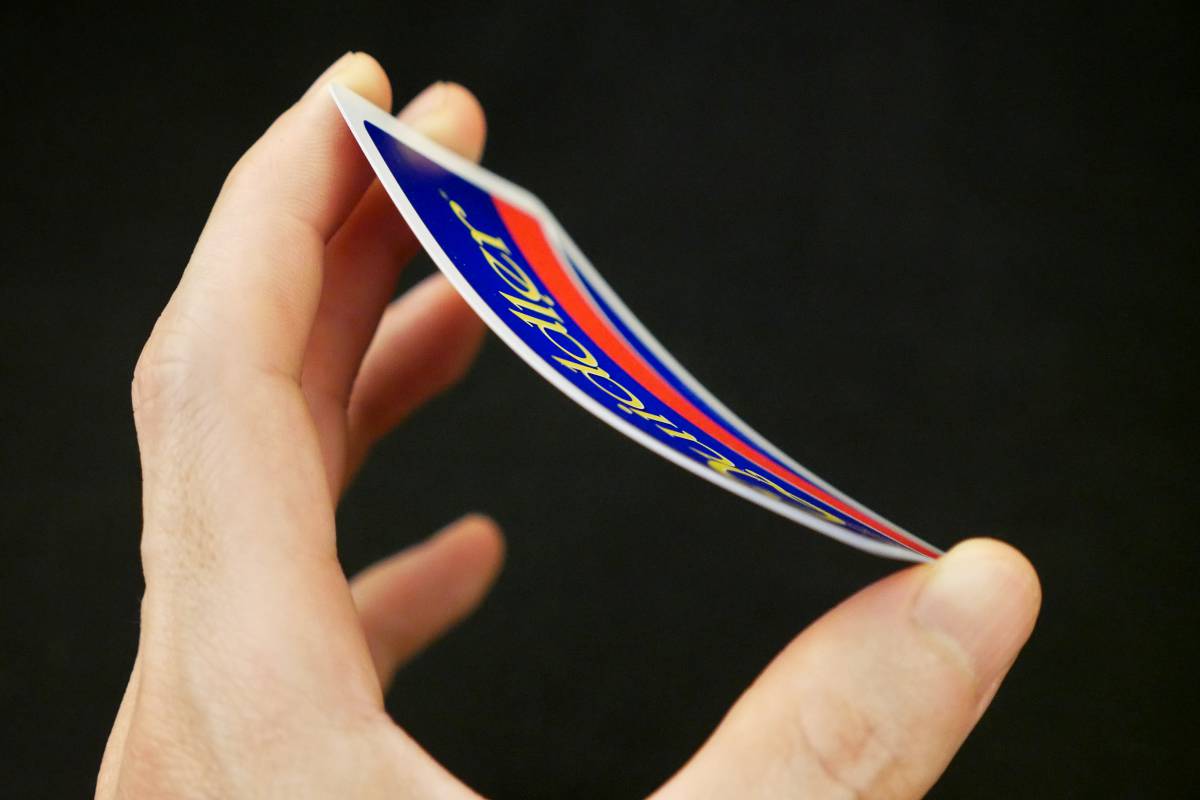
The card quality is fine. Again, given the game's price, it's hard to fault the component quality—and it isn't even that bad. They're about what you expect from this price range: comfortable, durable, without a linen finish. They'll probably get grimy over time with how often they're handled, but that's something that can be fixed with sleeves.
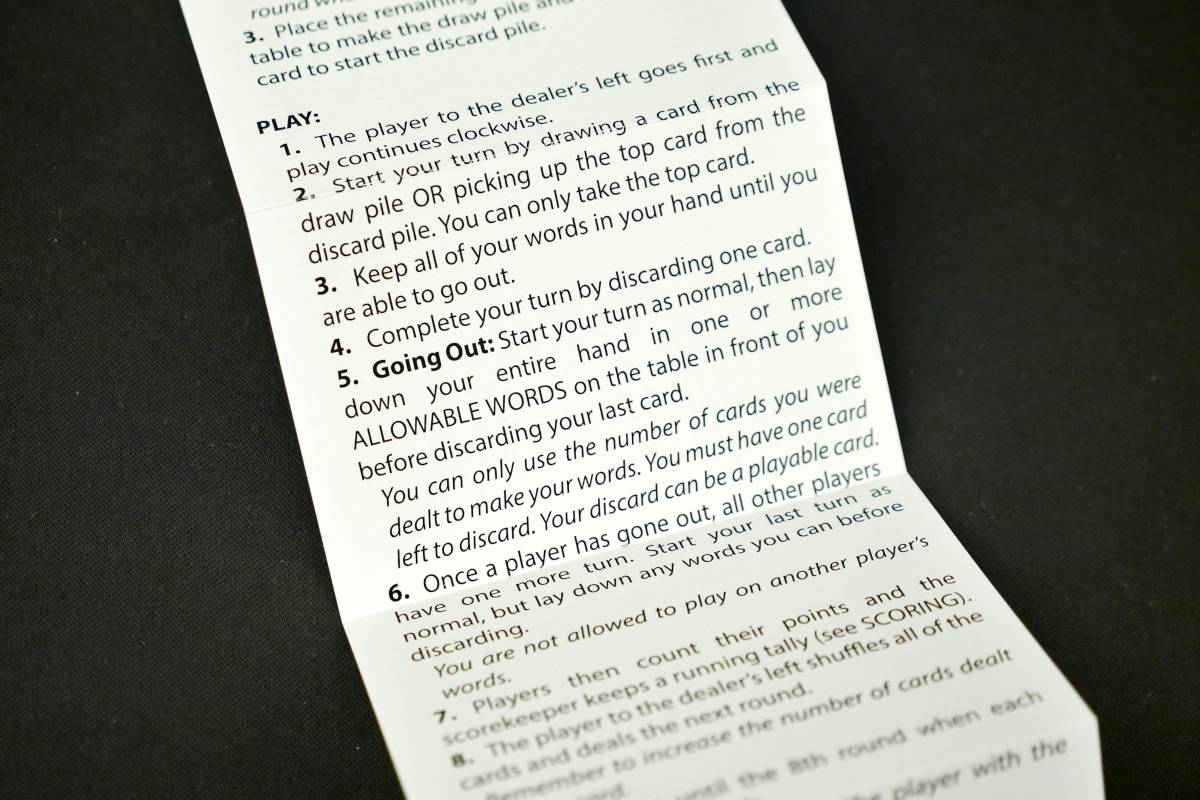
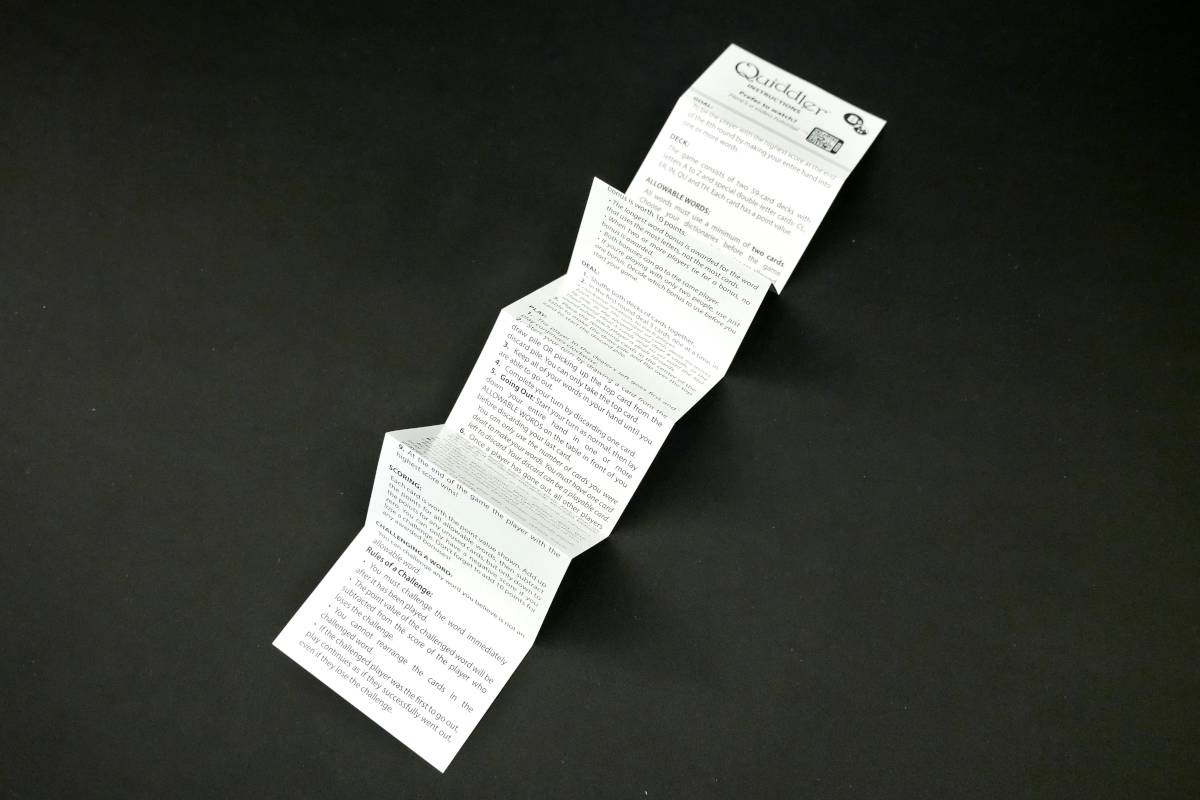
I don't mind the cheap rule sheet, but I do mind the ambiguities. The rules seem straightforward when you read through the sheet, but edge cases will crop up that aren't addressed. (Unfortunately, I don't have any examples of edge cases as I forgot to write them down while playing...)
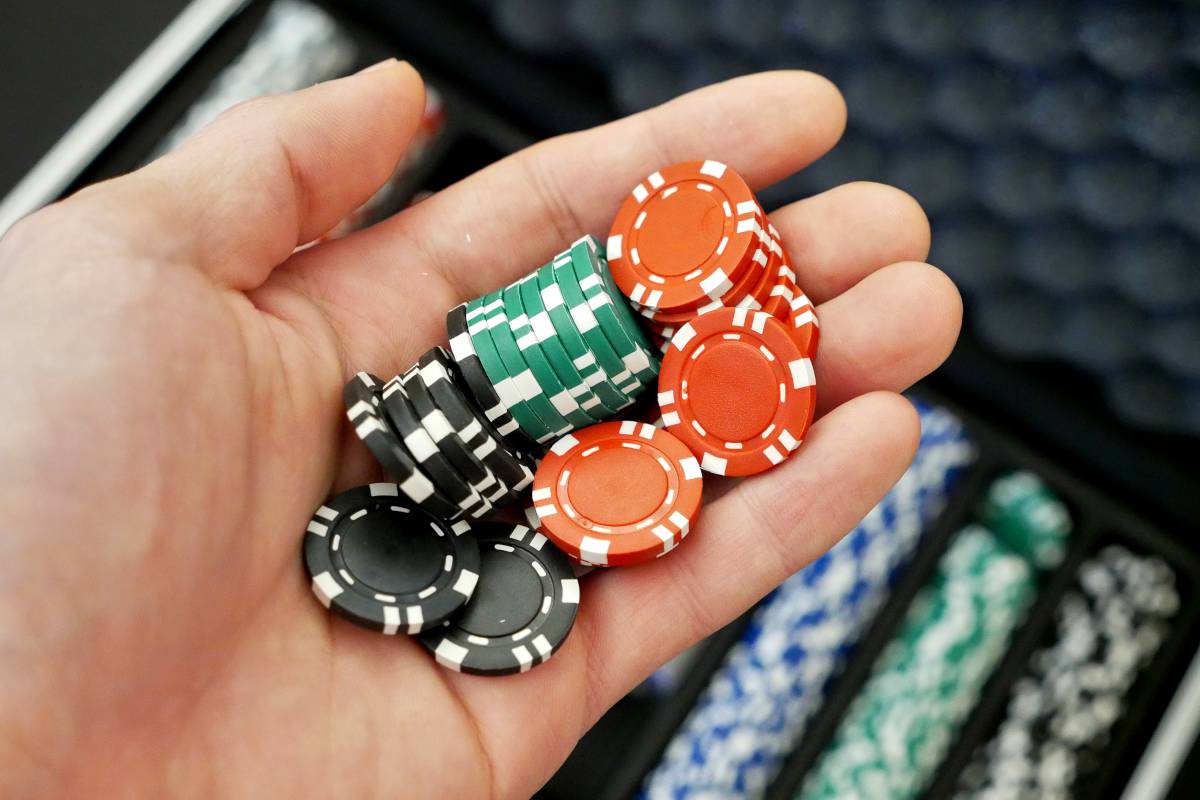
The lack of a score pad feels one step too cheap. I get that it's a budget-friendly card game that's supposed to be playable anywhere, but would it kill you to add a stack of sheets and a pencil? It's meant to be played over 8 rounds with cumulative scores, so a score pad is essential here. (I personally track scores with mini poker chip accessories, which are one of my favorite board gaming accessories, but my point still stands.)
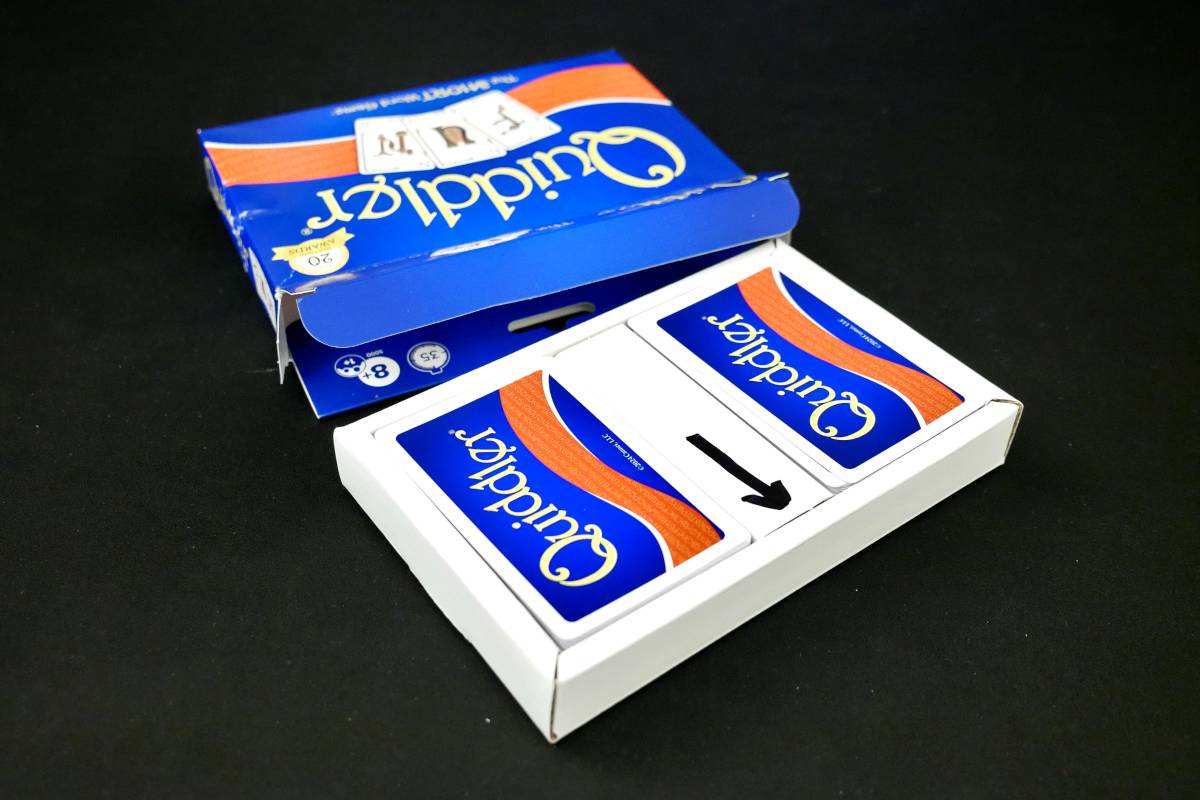
I hate tuck boxes. Doubly so if they have hanging tabs, and triply so if they force the deck to split in half. The slide-out tray sort of keeps it all organized, but struggling to tuck and untuck is way more annoying than it should be. And the hanging tab isn't removable, so the box is awkward to stack with other games. This kind of packaging is the worst. If you're going to get Quiddler, try to get the tin version if you can!
The Bottom Line
Quiddler is as its name suggests: a mindless time waster. It may have been a great option back when it came out in 1998, but that was almost three decades ago. We're in a different time now. There are so many better card games, better word games, better budget-friendly games that only cost $10. I just can't recommend it. (That said, I did come up with a 5-Card Quiddler variant that's fun enough to salvage it for me.)
Amazon • Barnes & Noble • Target • Walmart
Stop Buying Games
You'll Regret
Before your next game purchase, run it through this mental checklist that every seasoned gamer uses.
"8 Questions to Ask Yourself Before Buying a Game"
Free checklist, delivered instantly to your inbox.
No spam, ever. Unsubscribe in one click.